

The advent of caninised monoclonal antibodies has transformed the management of atopic dermatitis, paving the way for targeted medicine in a discipline long confined to corticosteroids and non-specific immunosuppressants. In parallel, human dermatology has also experienced an unprecedented acceleration in the number of authorised biotherapies. This article provides a comprehensive synthesis of current knowledge on monoclonal antibodies used in veterinary and human dermatology, as well as future prospects.
1. Introduction to Monoclonal Antibodies
1.1 Definition and Structure of Monoclonal Antibodies
Monoclonal antibodies are immunoglobulins produced by a single cell clone, directed against a single epitope of a given antigen. The basic structure of an immunoglobulin rests on two heavy chains and two light chains, linked by disulphide bonds. Each chain comprises a variable (V) region, responsible for antigen recognition, and a constant (C) region, which determines the class and subclass of the antibody. The Fab fragment (fragment antigen-binding) ensures binding to the antigen, whilst the Fc fragment (crystallisable fragment) interacts with cellular receptors and complement, conditioning the effector functions of the molecule (Köhler 1975).
The distinction between polyclonal and monoclonal antibodies rests on their origin. A polyclonal serum contains a heterogeneous mixture of immunoglobulins directed against multiple epitopes of the same antigen, produced by different B clones. Conversely, a monoclonal antibody derives from a single hybridoma, the fusion of a B lymphocyte secreting a specific antibody and a myeloma cell conferring immortality on the cell line. This technology, described by Köhler and Milstein in 1975, allowed for the first time the unlimited production of antibodies of predetermined specificity (Köhler 1975). Since then, recombinant techniques have largely superseded the classical hybridoma method. Contemporary monoclonal antibodies are predominantly produced in Chinese hamster ovary cells (CHO cells), an expression system that guarantees appropriate glycosylation, high productivity, and industrial reproducibility. In veterinary medicine, lokivetmab is a caninised monoclonal antibody expressed via recombinant techniques in CHO cells.
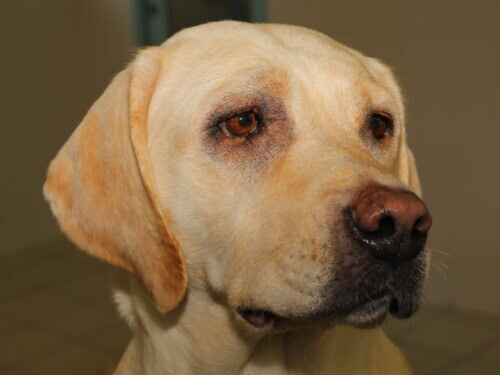
The arrival of biotherapies has revolutionised the therapeutic approach to atopic dogs
1.2 Classification According to the Origin of Monoclonal Antibodies
International nomenclature classifies monoclonal antibodies according to their degree of humanisation, reflected by the suffix of the international nonproprietary name. Murine antibodies (-omab), entirely derived from the mouse, present high immunogenicity with a rate of anti-drug antibodies (ADA) exceeding 50%. Chimeric antibodies (-ximab) reduce this rate to approximately 25%, humanised antibodies (-zumab) to less than 10%, and fully human antibodies (-umab), produced by transgenic mice or phage display, offer the most favourable immunogenicity profile.
In veterinary medicine, the same logic applies but is adapted to the target species. A caninised antibody is one whose constant regions are of canine origin, minimising the immune response of the dog against the therapeutic molecule. Lokivetmab (CYTOPOINT, Zoetis) and tirnovetmab (BEFRENA, Elanco) are caninised monoclonal antibodies targeting anti-IL-31. Felinisation, an analogous process adapted to cats, is currently under development for feline anti-IL-31 candidates, but no felinised monoclonal antibody is commercially available at present in feline dermatology.
1.3 General Mechanisms of Action
Monoclonal antibodies exert their therapeutic effect via three main mechanisms. Direct neutralisation consists of the binding of the antibody to a soluble ligand, cytokine, or mediator, preventing interaction with its receptor. Lokivetmab neutralises circulating IL-31 before it binds to its IL-31RA/OSMR receptor complex, interrupting the pruritogenic signalling cascade upstream (Gonzales 2013). Blockade of membrane receptors constitutes the second mechanism: the antibody binds directly to the cellular receptor, preventing the binding of the endogenous ligand. Nemolizumab (NEMLUVIO, Galderma) illustrates this mechanism by targeting the alpha receptor of IL-31 (IL-31RA) rather than the cytokine itself (Silverberg 2024). The third mechanism involves the effector functions of the Fc fragment: antibody-dependent cellular cytotoxicity recruits NK cells and macrophages, whilst complement-dependent cytotoxicity activates the complement cascade. These mechanisms are exploited in onco-dermatology, where anti-PD-1 and anti-CTLA-4 antibodies restore the antitumour immune response (Larkin 2019).
1.4 Pharmacokinetic Properties
The half-life of monoclonal antibodies, typically between 14 and 21 days depending on the IgG subclass and the species, allows for spaced injection intervals, generally monthly or bimonthly. This pharmacokinetic property represents an advantage in terms of compliance compared with daily oral treatments. The subcutaneous route is the preferred route of administration for the majority of monoclonal antibodies in dermatology, both human and veterinary. Lokivetmab has an elimination half-life of approximately 16 days in the dog, compatible with monthly injection (Michels 2016). The intravenous route is reserved for certain specific indications, such as infliximab in psoriasis or spesolimab in flares of generalised pustular psoriasis.
Immunogenicity constitutes the principal limiting factor. The formation of anti-drug antibodies (ADA) may reduce serum concentrations and clinical efficacy. For lokivetmab, the ADA rate lies between 2.1 and 2.6% of treated dogs, with limited clinical consequences (Moyaert 2017). Caninisation and felinisation aim to reduce this immunogenicity by minimising the proportion of protein sequences foreign to the treated species.
1.5 Therapeutic Advantages and Limitations
High target specificity constitutes the principal advantage of monoclonal antibodies over classical immunosuppressants. By targeting only a single cytokine or receptor, these molecules limit off-target effects responsible for the toxicity of corticosteroids (cutaneous atrophy, polyuria-polydipsia, calcinosis cutis) and calcineurin inhibitors (gastrointestinal disturbances, hypertrichosis). Lokivetmab is the treatment of choice in areas endemic for leishmaniasis, as it does not impair the Th1 response vital against the parasite, thus avoiding the risks associated with corticosteroids. The overall safety profile of the product is furthermore documented by Gober et al. (2022).
The limitations are primarily economic and logistical in nature. The production cost of monoclonal antibodies, involving mammalian cell expression systems and complex purification, remains high. In France, the price of a CYTOPOINT injection varies according to the dog’s weight and the required dose, representing a significant financial burden for owners on long-term treatment. The species constraint in veterinary medicine necessitates the development of specific antibodies for each target species: a caninised antibody cannot be administered to a cat without the risk of severe immunogenicity, and vice versa. The veterinary market, smaller in size than the human market, prolongs the time to return on investment and limits the number of molecules in development.
However, this economic argument should be placed in perspective. Whilst the cost of veterinary monoclonal antibodies may appear high, it remains considerably lower than that seen in human medicine, where comparable biologics reach several thousands of euros per injection. Furthermore, analysis of the true cost must take into account the financial burden of flares: a severe episode of atopic dermatitis involves consultations, repeated antibiotic courses for secondary pyoderma, and antifungal treatments, the cumulative cost of which over several years frequently exceeds that of a structured preventive treatment. A proactive approach using monoclonal antibodies, ensuring continuous control of pruritus and inflammation, reduces the frequency and severity of these episodes and limits unpredictable expenditure related to infectious complications.
2. Monoclonal Antibodies in Veterinary Dermatology: Cytopoint (lokivetmab) – Zoetis
2.1.1 History and Development
Prior to 2016, the management of canine atopic dermatitis relied on glucocorticoids, ciclosporin, and oclacitinib (APOQUEL, Zoetis), a JAK1 inhibitor marketed in 2014. The need for a long-acting injectable treatment, free from the adverse effects of corticosteroids and not requiring daily administration, was unmet. Zoetis developed lokivetmab from its caninised antibody platform, targeting IL-31, a pruritogenic cytokine whose central role in canine atopic dermatitis had been established by the work of Gonzales et al. in 2013. Regulatory approval by the FDA (USDA) was obtained in December 2016, followed by marketing authorisation by the EMA in 2017 (Michels 2016). In France, the veterinary medicine has been available since 2017 on veterinary prescription, supplied as an injectable solution in single-dose 1 ml vials.
2.1.2 Molecular Structure and Caninisation
Lokivetmab is a caninised IgG class monoclonal antibody with a molecular weight of approximately 150 kDa. The caninisation process involves grafting the CDRs of the parental murine antibody onto a canine IgG framework, preserving the binding specificity for canine IL-31 (affinity in the nanomolar range) whilst minimising immunogenicity in the dog. Lokivetmab is a caninised monoclonal antibody expressed via recombinant techniques in Chinese hamster ovary cells (CHO cells), ensuring appropriate post-translational glycosylation and homogeneity of the final product (Michels 2016).
2.1.3 Mechanism of Action
IL-31 is the central pruritogenic cytokine in canine atopic dermatitis. IL-31 is produced principally by activated Th2 lymphocytes and type 2 innate lymphoid cells (ILC2). Mast cells and certain macrophage populations may also be a source, although their relative contribution is less well documented in spontaneous canine atopic dermatitis (Marsella 2021). Binding of IL-31 to its receptor activates the JAK/STAT signalling pathway, principally via JAK1 (associated with IL-31RA) and JAK2 (Gonzales 2013). Lokivetmab neutralises free circulating IL-31 before it binds to the IL-31RA/OSMR complex, interrupting the signalling cascade upstream. This neutralisation halts pruritus and reduces secondary cutaneous lesions, self-perpetuated by mechanical excoriation.
2.1.4 Pharmacokinetics and Pharmacodynamics
The elimination half-life of lokivetmab in the dog is approximately 16 days, compatible with an injection interval of 4 to 8 weeks according to individual clinical response. The volume of distribution is low, typical of monoclonal antibodies with predominantly intravascular and interstitial distribution. The correlation between serum lokivetmab levels and pruritus inhibition was demonstrated in dose-response studies: the dose of 1 mg/kg SC corresponds to the optimal efficacy threshold identified from the preclinical phase (Gadeyne 2014). Body weight directly influences the dosage, which is adjusted according to weight to maintain an effective serum concentration. The veterinary medicine is available as an injectable solution in vials of 10, 20, 30, and 40 mg/ml, each containing 1 ml, enabling the dose to be adapted to the dog’s weight.
2.1.5 Protocol of Use
The official indications for lokivetmab are the treatment of pruritus associated with allergic dermatitis and the treatment of clinical manifestations of atopic dermatitis. The minimum recommended dosage is 1 mg/kg by subcutaneous (SC) route, as a monthly injection every 4 weeks according to clinical response. The contents of the vial must be administered subcutaneously by a veterinary surgeon. Self-injection by the owner is not provided for in the SPC. In experimental models of pruritogenic challenge with recombinant IL-31, inhibition of scratching is observed as early as 8 hours following injection. Under clinical conditions, a reduction in pruritus is typically perceived within 24 to 48 hours (Fleck 2021). Combination with other treatments for atopic dermatitis is possible and frequently practised. Lokivetmab may be combined with oclacitinib (APOQUEL, Zoetis), ciclosporin, or anti-inflammatory agents when needed, within the context of a multimodal approach recommended by the ICADA 2023 guidelines.
2.1.6 Results of Pivotal Clinical Studies
The pivotal study by Michels et al., published in 2016, is a multicentre randomised placebo-controlled trial conducted in atopic dogs under field conditions. At a dose of 0.5 to 2 mg/kg SC, lokivetmab reduced the pruritus score (PVAS) compared with placebo from the first few days. The CADESI-03, a lesional severity score, also showed significant improvement in the treated group (Michels 2016).
The study by Moyaert et al. in 2017, comparing lokivetmab with ciclosporin in a double-blind design, demonstrated the non-inferiority of lokivetmab in reducing pruritus at Day 28, with a favourable adverse effect profile. The rate of anti-drug antibodies (ADA) was 2.1% (3 dogs out of 142), with 2 transient cases without clinical consequence (Moyaert 2017).
The study by Marsella et al. in 2018 confirmed the efficacy of lokivetmab on cutaneous lesions measured by the CADESI-04, with a parallel improvement in owners’ quality of life.
The study by Tamamoto-Mochizuki et al. evaluated a proactive maintenance therapy strategy with lokivetmab in atopic dogs previously controlled by other anti-allergic treatments, showing that one quarter of dogs experienced no flare for at least one year on lokivetmab monotherapy, with a median time to relapse of 63 days after discontinuation of conventional treatments (Tamamoto-Mochizuki 2019).
2.1.7 Results of Post-Authorisation and Real-World Studies
A Zoetis study conducted between 2019 and 2020 provided a 12-month long-term follow-up of dogs treated with lokivetmab. Persistence of efficacy was confirmed, with an owner satisfaction rate exceeding 90% (Gober 2022).
The long-term study by Gober et al., published in 2025, followed a cohort of 75 atopic dogs treated at the US marketing authorisation dosage (at least 2 mg/kg every 4 to 8 weeks as needed) for 12 months. Dogs were first eligible for the long-term follow-up phase after achieving a PVAS below 36 mm during the initial phase of three monthly injections. Over the entire follow-up period, 88% of dogs maintained a mean PVAS below 36 mm, and 27% maintained a PVAS score below 50% of their baseline value throughout the duration of the study. Owner satisfaction and their intention to continue treatment were reported as very high, and a reduction in the use of concomitant treatments (topicals, corticosteroids, or oclacitinib) was observed throughout the follow-up, with no dog requiring systemic rescue treatment during the 12 months (Gober 2025).
Beyond pruritus control, prolonged treatment with lokivetmab is accompanied by a measurable restoration of cutaneous barrier function. This normalisation is reflected by a significant decrease in transepidermal water loss over affected areas, alongside a reduction in biophysical parameters reflecting epidermal inflammation (Marsella 2018). In parallel, the decrease in hair cortisol observed under prolonged treatment suggests that control of pruritus and disruption of the itch-scratch cycle reduce the systemic physiological stress imposed by canine atopic dermatitis, with an objectively favourable impact on the quality of life of dogs and their owners.
The retrospective study by Kasper et al., published in 2024 and involving 150 dogs under field conditions at the University of Munich (LMU), reported an overall success rate of 77% (53/69 evaluable dogs) with a significant reduction in PVAS over the long term (p < 0.01). The probability of treatment failure decreased with increasing treatment duration, suggesting a cumulative benefit. The number of adverse effects was low, with 8% of dogs presenting gastrointestinal signs or lethargy (Kasper 2024).
The extension study involving follow-up beyond 12 months confirms that a high proportion of dogs treated according to recommended regimens maintain well-controlled pruritus over the long term, without major therapeutic escape. The need to resort to co-treatments such as corticosteroids, ciclosporin, or JAK inhibitors decreases markedly with lokivetmab, allowing long-term protocols to be simplified and cumulative exposure to more toxic molecules to be limited (Gober 2025).
2.1.8 Safety Profile and Adverse Effects
Adverse effects reported in controlled studies are infrequent and generally mild. Pain at the injection site, transient vomiting, and lethargy are the most commonly reported effects, with an incidence comparable to the placebo group in pivotal trials (Michels 2016). The absence of systemic immunosuppression represents a major advantage in dogs at high infectious risk, elderly dogs, or subjects presenting comorbidities. Post-marketing pharmacovigilance data, derived from veterinary adverse event reporting systems, confirm the favourable tolerability profile, with no unexpected signal after several years of commercialisation. Particular cases of renal insufficiency, hepatic insufficiency, gestation, or lactation are not subject to formal contraindications in the SPC, but data remain limited in these populations.
Recent transcriptomic analyses of cutaneous biopsies from atopic dogs treated with lokivetmab have shown that selective blockade of IL-31 is not accompanied by global suppression of cutaneous immune responses. Following controlled allergenic challenge, expression profiles of cytokines and chemokines involved in anti-infectious defence and acute phase response remain preserved, whilst the pathways closely linked to pruritus and the IL-31 axis are significantly modulated. These results confirm, at the molecular level, that this biotherapy does not lead to generalised systemic immunosuppression, even with prolonged proactive use (Tamamoto-Mochizuki 2023).
2.1.9 Position in the Overall Therapeutic Strategy for Canine Atopic Dermatitis
Lokivetmab is one of the major therapeutic options for symptomatic control of canine atopic dermatitis, alongside glucocorticoids, ciclosporin, and Janus kinase inhibitors. The choice between CYTOPOINT and APOQUEL rests on clinical decision criteria: lokivetmab is preferred when the owner wishes to avoid daily oral administration, in dogs at infectious risk, or in combination with other treatments. Oclacitinib offers a slightly faster onset of action (4 hours) but requires twice-daily oral administration during the induction phase, then once daily. In crisis treatment, lokivetmab delivers a response within less than 48 hours with coverage of at least 4 weeks. In continuous maintenance treatment, the interval of 4 to 8 weeks according to individual response guarantees durable control with a reduced number of long-term safety concerns (Eisenschenk 2024).
The most recent recommendations position lokivetmab more clearly as a first-line option in well-defined canine profiles: puppies in whom JAK inhibitors are contraindicated, animals presenting infectious comorbidities or a neoplastic history rendering classical immunosuppressants less desirable, as well as frail elderly dogs in whom long-term safety takes precedence. In these situations, the combination of rapid efficacy on pruritus, the possibility of use in proactive mode, and a favourable systemic tolerability profile justifies a preferential choice (Olivry 2015) (Eisenschenk 2024).
2.2 Development
Tirnovetmab (Befrena, Elanco) is the second canine anti-IL-31 monoclonal antibody, developed by Elanco and approved by the USDA on 31 December 2025. Commercial launch in the United States is planned for the first half of 2026, with regulatory status at the EMA currently under evaluation. The arrival of this second caninised monoclonal antibody on a US canine dermatology market estimated at 1.3 billion dollars reflects the dynamism of this therapeutic segment (Elanco Animal Health 2025).
3. Monoclonal Antibodies Marketed in Human Dermatology
The history of monoclonal antibodies in human dermatology begins in 1975, when Köhler and Milstein developed hybridoma technology, opening the way to the production of antibodies directed against precise molecular targets. Initially hindered by the immunogenicity of murine antibodies, the therapeutic revolution only became clinically accessible from the 1990s onwards, thanks to humanisation techniques developed by Greg Winter from 1988, which drastically reduced anti-drug reactions. In dermatology, the introduction of omalizumab (anti-IgE) in chronic urticaria and then dupilumab (anti-IL-4Rα) in 2017 in severe adult atopic dermatitis marked a decisive turning point, confirming that precise targeting of key cytokines of the Th2 response allows deep remissions previously inaccessible with conventional treatments. This approach, progressively extended to psoriasis with anti-TNF agents, then anti-IL-17 and anti-IL-23 agents, has radically transformed the management of severe chronic inflammatory dermatoses.
3.1 Monoclonal Antibodies in Atopic Dermatitis
3.1.1 Dupilumab
Dupilumab (DUPIXENT, Sanofi/Regeneron) is a human antibody targeting the alpha subunit of the IL-4 receptor (IL-4Rα), simultaneously blocking the signalling of IL-4 and IL-13, two central Th2 cytokines in the pathophysiology of atopic dermatitis. EMA marketing authorisation was obtained in 2017 for moderate-to-severe atopic dermatitis in adults, with extensions to adolescents (from 12 years), children (from 6 years), and infants (from 6 months). The SOLO 1 and SOLO 2 studies demonstrated EASI-75 at week 16 of 44 to 51% versus 12 to 15% under placebo, with significant improvement in pruritus from the first week. The CHRONOS study confirmed maintenance of efficacy at 52 weeks in combination with topical corticosteroids. The standard dosage in adults is 300 mg SC every 2 weeks after a loading dose of 600 mg. The most frequent adverse effects are conjunctivitis (approximately 10%) and injection site reactions (Simpson 2016).
3.1.2 Tralokinumab
Tralokinumab (ADTRALZA, Leo Pharma) is a human anti-IL-13 antibody, with EMA marketing authorisation obtained in 2021 for moderate-to-severe atopic dermatitis in adults. The pivotal studies ECZTRA 1, 2, and 3 reported an IGA 0/1 at week 16 of 15.8 to 22.2% as monotherapy and an EASI-75 of 25 to 33%. European real-world data, available since 2023, confirm efficacy in everyday practice with a favourable tolerability profile, including fewer cases of conjunctivitis than dupilumab (Wollenberg 2021).
3.1.3 Lebrikizumab
Lebrikizumab (EBGLYSS, Lilly) is a high-affinity humanised anti-IL-13 antibody, with EMA marketing authorisation obtained in 2023. The ADvocate 1 and 2 studies demonstrated EASI-75 at week 16 of 58.8% and 52.1% respectively, with IGA 0/1 of 43.1% and 33.2%. The ADhere study confirmed efficacy in combination with topical corticosteroids. French data from 2024–2025, derived from the first months of commercialisation, confirm a favourable tolerability profile, with an injection interval of 4 weeks during induction followed by 2 weeks during maintenance (Silverberg 2023).
Extensions of clinical trials covering several years of treatment with high-affinity anti-IL-13 antibodies show maintained control of moderate-to-severe atopic dermatitis. In a large proportion of patients who achieved an initial response, EASI (Eczema Area and Severity Index) response levels remain stable for up to three or four years under lightened maintenance regimens, often with monthly spacing of injections. This durability is accompanied by a globally stable tolerability profile, with no emergence of major new safety signals, which consolidates the position of these molecules as very long-term maintenance treatments (Guttman-Yassky 2026) (Weidinger 2026).
3.1.4 Nemolizumab
Nemolizumab (NEMLUVIO, Galderma; MITCHGA in Japan, Maruho/Chugai) is a humanised IgG2 class antibody targeting the alpha receptor of IL-31 (IL-31RA), directly inhibiting IL-31 signalling, a neuro-immune cytokine responsible for pruritus, inflammation, and epidermal dysregulation. EMA marketing authorisation was obtained in February 2025 for moderate-to-severe atopic dermatitis from 12 years of age and for moderate-to-severe prurigo nodularis in adults. The FDA approved nemolizumab in December 2024 for atopic dermatitis and in August 2024 for prurigo nodularis. In Japan, nemolizumab has been marketed under the name MITCHGA since 2022.
The phase III studies ARCADIA 1 and ARCADIA 2 randomised 1,728 patients (2:1 nemolizumab versus placebo) receiving 30 mg SC every 4 weeks (loading dose of 60 mg) in combination with topical corticosteroids. At week 16, the IGA (Investigator Global Assessment) score was 36% and 38% in the nemolizumab groups of ARCADIA 1 and 2 respectively, versus 25% and 26% under placebo. The EASI-75 rate was 44% and 42% respectively (Silverberg 2024). Improvement in pruritus was perceptible from the first week, with a significant reduction in sleep disturbances at week 16.
The parallel with veterinary CYTOPOINT is direct: both molecules target the same IL-31 pathway, one by neutralising the cytokine (lokivetmab), the other by blocking its receptor (nemolizumab). This translational link illustrates the convergence of approaches between human and veterinary dermatology.
The combined results of the ARCADIA and OLYMPIA programmes show that blockade of the IL-31 receptor provides rapid and profound pruritus relief, with notable improvement in sleep disturbances from the first few weeks. Longer-term extensions indicate that the majority of patients maintain their clinical responses beyond the first year of treatment, consolidating the regulatory positioning of nemolizumab as a major systemic option in moderate-to-severe forms of atopic dermatitis and prurigo nodularis (Silverberg 2024). In France, nemolizumab has been indicated and reimbursed since 2025, positioned as a second-line systemic treatment after failure, intolerance, or contraindication to ciclosporin in adults, and as first-line in adolescents from 12 years of age (HAS 2025).
3.2 Monoclonal Antibodies in Onco-dermatology
3.2.1 Anti-PD-1
Pembrolizumab (KEYTRUDA, MSD) and nivolumab (OPDIVO, BMS) are humanised anti-PD-1 antibodies that restore the cytotoxic activity of T lymphocytes against tumour cells expressing PD-L1. EMA marketing authorisation for advanced melanoma dates from 2015. The KEYNOTE-006 study demonstrated a 5-year overall survival rate of 38.7% with pembrolizumab, versus 31.0% with ipilimumab. The CheckMate 066 study reported 5-year overall survival of 39% with nivolumab monotherapy in previously untreated melanoma (Larkin 2019).
3.2.2 Anti-CTLA-4: Ipilimumab
Ipilimumab (YERVOY, BMS) is a human anti-CTLA-4 antibody, the first immune checkpoint inhibitor approved in oncology (melanoma marketing authorisation 2011). The MDX010-20 study demonstrated improvement in overall survival in advanced melanoma. The combination of ipilimumab and nivolumab, evaluated in the CheckMate 067 study, reported a 5-year overall survival rate of 52%, the highest rate achieved in advanced melanoma, at the cost of significant immune-mediated toxicity (Larkin 2019).
3.2.3 Mogamulizumab
Mogamulizumab (POTELIGEO, Kyowa Kirin) is a humanised anti-CCR4 antibody, with EMA marketing authorisation obtained in 2018 for mycosis fungoides and Sézary syndrome. The MAVORIC study demonstrated improved progression-free survival compared with vorinostat (7.7 months versus 3.1 months) in these cutaneous T-cell lymphomas (Kim 2018).
3.2.4 Cemiplimab
Cemiplimab (LIBTAYO, Sanofi/Regeneron) is a human anti-PD-1 antibody with EMA marketing authorisations for advanced cutaneous squamous cell carcinoma (2019) and advanced basal cell carcinoma (2021). The EMPOWER-CSCC-1 and EMPOWER-BCC-1 studies reported objective response rates of 46.1% in squamous cell carcinoma and 31% in basal cell carcinoma, with durable responses (Migden 2018).
3.3 Other Indications in Human Dermatology
3.3.1 Monoclonal Antibodies in Plaque Psoriasis
3.3.1.1 Anti-TNF-alpha
Anti-TNF-alpha agents represent the first generation of biotherapies in human dermatology. Adalimumab (HUMIRA, AbbVie), infliximab (REMICADE, Janssen), and certolizumab pegol (CIMZIA, UCB) target TNF-alpha via different modalities: human antibody SC fortnightly, chimeric antibody IV every 8 weeks, and pegylated Fab fragment with no transplacental transfer. The PASI (Psoriasis Area and Severity Index) response rate at week 16 ranges from 50 to 80%. Their tolerability profile includes an increased infectious risk, particularly tuberculosis (Menter 2019).
3.3.1.2 Anti-IL-17A
Secukinumab (COSENTYX, Novartis, marketing authorisation 2015) and ixekizumab (TALTZ, Lilly, marketing authorisation 2016) target IL-17A in moderate-to-severe psoriasis. The ERASURE and FIXTURE studies demonstrated PASI 75 at week 12 of 81.6% and 77.1% with secukinumab (Langley 2014), whilst the UNCOVER studies report PASI 90 of 70.9% with ixekizumab (Gordon 2016). The tolerability profile of anti-IL-17A agents includes a risk of mucocutaneous candidiasis (4–7%) and inflammatory bowel disease.
3.3.1.3 Anti-IL-17A/F: Bimekizumab
Bimekizumab (BIMZELX, UCB) is a humanised antibody neutralising both IL-17A and IL-17F, with EMA marketing authorisation obtained in 2023 for moderate-to-severe plaque psoriasis. The BE VIVID, BE READY, and BE SURE studies demonstrated PASI 90 response rates at week 16 exceeding 85%, superior to secukinumab and ustekinumab in head-to-head comparisons. Dual IL-17A/F neutralisation confers enhanced efficacy in resistant forms, at the cost of a higher incidence of oral candidiasis, in the order of 7 to 16% depending on the study (Reich 2021).
3.3.1.4 Anti-IL-12/23 (anti-p40): Ustekinumab
Ustekinumab (STELARA, Janssen) is a human antibody targeting the p40 subunit common to IL-12 and IL-23, with EMA marketing authorisation obtained in 2009. The PHOENIX 1 and PHOENIX 2 studies, with a follow-up now exceeding 15 years, demonstrated PASI 75 rates at week 12 of 67 to 76% and maintained long-term efficacy. The dosage of 45 mg SC (patients under 100 kg) or 90 mg SC (patients of 100 kg and above) at weeks 0 and 4, then every 12 weeks, offers one of the most spaced injection intervals in dermatology (Papp 2008).
3.3.1.5 Anti-IL-23 (anti-p19)
Guselkumab (TREMFYA, Janssen, marketing authorisation 2017), risankizumab (SKYRIZI, AbbVie, marketing authorisation 2019), and tildrakizumab (ILUMETRI, Almirall, marketing authorisation 2018) specifically target the p19 subunit of IL-23, without blocking IL-12. The IMMhance (risankizumab), UltIMMa (risankizumab), and reSURFACE (tildrakizumab) trials reported PASI 90 rates at week 16 of 72 to 75% for risankizumab, positioning it amongst the most effective treatments for plaque psoriasis. The 12-week injection interval during the maintenance phase is an advantage in terms of compliance (Gordon 2018).
3.3.2 Monoclonal Antibodies in Chronic Spontaneous Urticaria
Omalizumab (XOLAIR, Novartis/Genentech) is a humanised anti-IgE antibody, initially developed for allergic asthma, with an extension of indication in dermatology obtained in 2014 for chronic spontaneous urticaria resistant to antihistamines. The mechanism rests on binding to free circulating IgE, reducing their attachment to FcεRI receptors on mast cells and basophils. The ASTERIA I and II and GLACIAL studies demonstrated a significant reduction in the urticaria activity score (UAS7) at a dose of 300 mg SC every 4 weeks, with a complete response rate (UAS7 = 0) of 34 to 44% at week 12. Omalizumab is positioned as third-line therapy after failure of antihistamines at standard dose and then at quadrupled dose (Maurer 2013).
3.3.3 Monoclonal Antibodies in Generalised Pustular Psoriasis
Spesolimab (SPEVIGO, Boehringer Ingelheim) is a humanised anti-IL-36 receptor (IL-36R) antibody, with EMA marketing authorisation obtained in 2023 for the treatment of flares of generalised pustular psoriasis, a rare orphan disease. The Effisayil-1 study demonstrated complete pustular clearance at Day 7 in 54% of patients treated with 900 mg IV as a single dose, versus 6% under placebo (p < 0.001). Data on maintenance treatment and flare prevention are under evaluation in ongoing phase III studies (Bachelez 2019).
Data from the Effisayil-2 trial, dedicated to flare prevention, show that a regular subcutaneous administration regimen of spesolimab significantly reduces the risk of a new severe flare. Over nearly one year of follow-up, a large majority of treated patients remain free of recurrence, whilst a substantial proportion of subjects under placebo experience at least one recurrent episode. In responders, cutaneous status is often maintained close to normal, with a very low severity score and a durable improvement in quality of life scores (Thaci 2024).
3.3.4 Monoclonal Antibodies in Hidradenitis Suppurativa
3.3.4.1 Secukinumab
Secukinumab (COSENTYX, Novartis) obtained an EMA marketing authorisation extension in 2023 for moderate-to-severe hidradenitis suppurativa. The SUNSHINE and SUNRISE studies demonstrated a clinical response (HiSCR) at week 16 of 42 to 46% at a dose of 300 mg SC every 2 weeks, significantly superior to placebo. The dosage specific to this indication is higher than in psoriasis, with a 2-week injection interval (Kimball 2023).
3.3.4.2 Bimekizumab
Bimekizumab (BIMZELX, UCB) received an EMA marketing authorisation extension in 2024 for hidradenitis suppurativa. The BE HEARD I and II studies reported HiSCR response rates at week 16 comparable to or superior to secukinumab, with the benefit of dual IL-17A/F neutralisation.
Extended follow-up data from the BE HEARD I and II trials confirm that dual blockade of IL-17A and IL-17F allows high rates of deep HiSCR responses to be maintained over several years, with a low frequency of severe relapses, at the cost of an expected but manageable increase in mucocutaneous candidiasis. Early initiation of these biotherapies appears particularly important in limiting the formation of fibrotic lesions and irreversible cicatricial sequelae (Kimball 2024).
3.3.5 Monoclonal Antibodies in Bullous Disorders
Dupilumab (DUPIXENT, Sanofi/Regeneron) obtained an EMA marketing authorisation extension in 2022 for bullous pemphigoid in adults. The LIBERTY-BP SOL study demonstrated a significant reduction in disease activity, measured by the BPDAI score, with an anti-IL-4/IL-13 mechanism targeting the Th2 component of pemphigoid. This extension illustrates the versatility of biotherapies targeting the Th2 pathway (Abdat 2022).
4. Ongoing Developments in Veterinary Dermatology
4.1 Monoclonal Antibodies for Feline Cutaneous Atopic Syndrome
4.1.1 Current Therapeutic Gap in Cats
Although no monoclonal antibody is yet specifically approved for feline cutaneous atopic syndrome, the “felinisation” technology platform is already clinically mature and validated by the success of frunevetmab (SOLENSIA, Zoetis). Treatment of feline atopic dermatitis relies on glucocorticoids (prednisolone, methylprednisolone) and ciclosporin. The absence of a specific biological alternative for cats constitutes a considerable therapeutic gap, all the more so given that feline atopic dermatitis is a frequent reason for consultation in everyday practice. The exact prevalence of feline atopic dermatitis remains difficult to establish due to the complexity of differential diagnosis in cats, but estimates suggest it affects 12 to 15% of cats presenting with chronic pruritus. Corticosteroid preparations, whilst widely used, expose cats to an increased risk of diabetes mellitus, particularly in predisposed breeds such as the Burmese.
4.1.2 Constraints of Felinisation of Therapeutic Antibodies
Felinisation of a monoclonal antibody, a process analogous to caninisation but adapted to the cat, involves substituting the constant regions with feline IgG sequences. Technical challenges include the lesser availability of reference genomic sequences, the particularities of the feline immune system (notably immunoglobulin metabolism), and the regulatory requirements specific to new veterinary biological entities. Work by Zoetis on mapping the epitopes of feline IL-31 has revealed that feline IL-31 interacts independently with feline OSMR, in contrast to the human model where OSMR only binds IL-31 after complex formation with IL-31RA. This molecular peculiarity complicates the development of feline anti-IL-31 antibodies and requires a specific approach (Gonzales 2020).
4.1.3 Felinised Anti-IL-31 Candidates Under Evaluation
Several felinised anti-IL-31 candidates are under preclinical and clinical evaluation. Published data are limited to the molecular characterisation phase and in vitro binding studies. No phase III clinical trial in cats has been made public to date. The time to market for a felinised anti-IL-31 monoclonal antibody is estimated at 3–5 years in the most optimistic scenarios.
4.2 Developments in Canine Atopic Dermatitis
4.2.1 Canine Anti-IL-13
By analogy with tralokinumab and lebrikizumab in human dermatology, the development of a canine monoclonal antibody targeting IL-13 represents a therapeutic avenue. IL-13 is implicated in cutaneous barrier dysfunction, mucus production, and fibrosis, pathophysiological mechanisms documented in canine atopic dermatitis. No molecule has reached the stage of clinical trials to date.
4.2.2 Canine Anti-IL-4/IL-13
Dual targeting of the Th2 pathway, by analogy with dupilumab which simultaneously blocks IL-4 and IL-13 via IL-4Rα, constitutes an approach of interest for canine atopic dermatitis. Preclinical data on IL-4 expression in the cutaneous lesions of atopic dogs support this hypothesis. Development of a canine anti-IL-4Rα monoclonal antibody is at an exploratory stage.
4.2.3 Canine Anti-TSLP
Thymic stromal lymphopoietin (TSLP) is an epithelial alarmin initiating the Th2 cascade in atopic dermatitis. Its upstream blockade of the inflammatory cascade could offer a therapeutic effect complementary to anti-IL-31 agents. Tezepelumab, a human anti-TSLP antibody, is already approved in severe asthma, and veterinary transposition is under study.
4.2.4 Development
Tirnovetmab (Befrena, Elanco) is the second canine anti-IL-31 monoclonal antibody, developed by Elanco and approved by the USDA on 31 December 2025. Commercial launch in the United States is planned for the first half of 2026, with regulatory status at the EMA currently under evaluation. The arrival of this second caninised monoclonal antibody on a US canine dermatology market estimated at 1.3 billion dollars reflects the dynamism of this therapeutic segment (Elanco Animal Health 2025).
4.3 Targeting New Inflammatory Pathways
4.3.1 Canine Anti-IL-33 / Anti-ST2
IL-33, an alarmin released by damaged keratinocytes, activates type 2 innate lymphoid cells (ILC2) via its ST2 receptor. Its blockade constitutes an emerging target in canine atopic dermatitis, with ongoing preclinical studies.
4.3.2 Canine Anti-OX40 / Anti-OX40L
The OX40/OX40L pathway is the subject of two approaches: targeting the receptor via rocatinlimab (anti-OX40), inducing cell depletion (Guttman-Yassky 2023), and ligand blockade via amlitelimab (anti-OX40L), offering non-depleting blockade. Veterinary transposition is envisaged but remains at a conceptual stage (Guttman-Yassky 2023).
4.3.3 Canine and Feline Anti-IgE
Transposing the omalizumab concept (human anti-IgE) to the dog and cat represents an avenue for the treatment of atopic dermatitis and urticaria. IgE play a role in the pathophysiology of canine atopic dermatitis, but the absence of a commercial caninised or felinised anti-IgE monoclonal antibody limits this approach. Preclinical studies are exploring feasibility.
4.4 Monoclonal Antibodies in Veterinary Onco-dermatology
4.4.1 Mast Cell Tumours in Dogs
Canine mast cell tumours, the most frequent cutaneous tumours in dogs, express the c-KIT receptor in 15 to 40% of cases depending on grade. Tyrosine kinase inhibitors (toceranib, masitinib) already target this signalling pathway (London 2013). Proof-of-concept studies conducted with a humanised antibody directed against the KIT receptor (KTN0158) demonstrated, in dogs, rapid and sustained inhibition of KIT phosphorylation in normal and tumour mast cells. This inhibition is accompanied by a significant reduction in cutaneous mast cell density and objective responses in some spontaneous mast cell tumours, with an acceptable tolerability profile at the doses tested. These results reinforce the interest of developing caninised anti-c-KIT antibodies as complements or alternatives to tyrosine kinase inhibitors (London 2017).
4.4.2 Caninised Anti-PD-1 / Anti-PD-L1
Immunotherapy via immune checkpoint inhibition in canine oncology is the subject of active research. Gilvetmab (Merck) is the first anti-PD-1 authorised by the USDA (Merck Animal Health 2025). In parallel, the study by Nakagawa et al. (2026) demonstrated that a genomic biomarker, microsatellite instability (MSI-high), predicts better response to immunotherapy in dogs, as in humans (Hoshino 2026).
4.4.3 Canine Cutaneous and Oral Melanomas
Canine melanomas, both cutaneous and oral, represent a potential indication for caninised anti-PD-1 monoclonal antibodies. The canine melanoma DNA vaccine (ONCEPT, Merial/Boehringer Ingelheim), already marketed, opens the way to combining vaccine immunotherapy and checkpoint blockade, reproducing the paradigm established in human oncology.
4.5 Regulatory Issues and Prospects
4.5.1 EMA and USDA Regulatory Framework
The regulatory framework for new veterinary biological entities is distinct from that for chemical medicines. The EMA and the USDA evaluate quality, safety, and efficacy according to specific guidelines, including molecular characterisation, stability, and post-marketing immunogenicity monitoring.
4.5.2 The Veterinary Model as a Translational Model
Canine atopic dermatitis shares convergent pathophysiological mechanisms with human atopic dermatitis: cutaneous barrier dysfunction, Th2 deviation, and the central role of IL-31. The atopic dog constitutes a natural translational model that contributed to the validation of IL-31 targeting even before approval of nemolizumab in humans, illustrating the concept of “One Health” applied to dermatology.
A recent literature review dedicated to therapeutic antibodies in dogs and cats offers a structured overview of available or developing products, summarising the principal mechanisms of action, validated indications in dermatology, osteoarthritic pain, oncology, and infectious diseases, as well as administration regimens and safety signals derived from pivotal trials and international pharmacovigilance. This synthesis concludes that, despite a still limited number of molecules, monoclonal antibodies already occupy a central place in the management of several frequent chronic conditions and that their role is set to expand with the advent of new targets (Wang 2025).
4.5.3 The Veterinary Monoclonal Antibody Market
The global veterinary monoclonal antibody market is growing rapidly, with a compound annual growth rate (CAGR) estimated at 14.2% by 2032 according to recent market analyses. This dynamism is driven by increasing demand for specific treatments, the growing medicalisation of companion animals, and rising veterinary expenditure in developed economies. The arrival of tirnovetmab (BEFRENA) in 2026 confirms the attractiveness of this market for the veterinary pharmaceutical industry. Projections converge towards a doubling, or even tripling, of the size of the global market between the middle and end of the decade, with a major contribution from canine dermatology. On the regulatory front, the United States distinguishes between products with immunological intent, governed by the Center for Veterinary Biologics at the USDA, and those without direct immunological intent, falling under the Center for Veterinary Medicine at the FDA, imposing development strategies adapted to each category (MarketsandMarkets 2025) (Grand View Research 2024).
Conclusion
Veterinary and human dermatology share a common foundation of molecular targets, from the IL-31 pathway to Th2 pathways, from IL-17 to immune checkpoints. The clinical experience accumulated since 2016 with lokivetmab (CYTOPOINT) in dogs preceded and enriched understanding of IL-31 targeting in humans, illustrating the translational potential of veterinary medicine. In human dermatology, the multiplication of available biotherapies, covering psoriasis, atopic dermatitis, chronic urticaria, hidradenitis suppurativa, bullous dermatoses, and onco-dermatology, has transformed the management of inflammatory and tumoral skin diseases.
Short- and medium-term research avenues in veterinary dermatology include the development of felinised anti-IL-31 monoclonal antibodies for feline atopic dermatitis, the targeting of new cytokines (IL-13, IL-4, TSLP, IL-33), and immunotherapy with checkpoint inhibitors in canine cutaneous oncology. Systematic comparative evaluation of lokivetmab and tirnovetmab under field conditions, in large cohorts including predisposed breeds and standardised severity scores (CADESI-04, PVAS), is necessary to refine therapeutic choice criteria. The updating of ICADA recommendations, incorporating these new data, will guide practice in the coming years.
References
Abdat R, Quaranta M, et al. Dupilumab for the treatment of bullous pemphigoid. J Am Acad Dermatol. 2022;87(2):442-444.
Bachelez H, Choon SE, et al. Trial of spesolimab for generalized pustular psoriasis. N Engl J Med. 2019;385(26):2431-2440.
Eisenschenk MC, Hensel P, et al. Introduction to the ICADA 2023 canine atopic dermatitis pathogenesis review articles and updated definition. Vet Dermatol. 2024;35(1):3-4.
Elanco Animal Health. Befrena (tirnovetmab) injectable solution: United States product label. Greenfield (IN): Elanco; 2025.
Elanco Animal Health. Befrena (tirnovetmab) pivotal field studies: summary of efficacy and safety in canine atopic and allergic dermatitis. Greenfield (IN): Elanco; 2025.
Fleck TJ, Norris LR, et al. Onset and duration of action of lokivetmab in a canine model of IL-31 induced pruritus. Vet Dermatol. 2021;32:681-e182.
Gadeyne C, Little P, et al. Efficacy of oclacitinib (Apoquel) compared with prednisolone for the control of pruritus and clinical signs associated with allergic dermatitis in client-owned dogs in Australia. Vet Dermatol. 2014;25(6):512-e86.
Gober M, Amodie D, et al. Long term use of lokivetmab (Cytopoint) in atopic dogs. BMC Vet Res. 2025;21:203.
Gober M, Hillier A, et al. Use of Cytopoint in the allergic dog. Front Vet Sci. 2022;9:909776.
Gober M, Little V, et al. Long-term safety and efficacy of lokivetmab in dogs with atopic dermatitis: the CHAMPION extension study. Vet Dermatol. 2025;36:201-212.
Gonzales AJ, Fleck TJ, et al. Feline interleukin-31 shares overlapping epitopes with oncostatin M receptor and IL-31RA. ACS Chem Biol. 2020;15(7):1840-1850.
Gonzales AJ, Humphrey WR, et al. Interleukin-31: its role in canine pruritus and naturally occurring canine atopic dermatitis. Vet Dermatol. 2013;24(1):48-53.e11-2.
Gordon KB, Blauvelt A, et al. Phase 3 trials of ixekizumab in moderate-to-severe plaque psoriasis. N Engl J Med. 2016;375(4):345-356.
Gordon KB, Strober B, et al. Efficacy and safety of risankizumab in moderate-to-severe plaque psoriasis (UltIMMa-1 and UltIMMa-2). Lancet. 2018;392(10148):650-661.
Grand View Research. Monoclonal Antibodies in Veterinary Health Market Size and Outlook 2018-2030. San Francisco (CA): Grand View Research; 2024.
Guttman-Yassky E, Bieber T, et al. Long-term efficacy and safety of lebrikizumab in moderate-to-severe atopic dermatitis: ADlong extension study. J Am Acad Dermatol. 2026;95:345-356.
Guttman-Yassky E, Simpson EL, et al. An anti-OX40 antibody to treat moderate-to-severe atopic dermatitis: a multicentre, double-blind, placebo-controlled phase 2b study. Lancet. 2023;401:204-214.
HAS. Avis de la Commission de la Transparence. NEMLUVIO (nemolizumab). Haute Autorité de Santé. 2025.
Hoshino Y, Maekawa N, et al. Caninized PD-1 monoclonal antibody in oral malignant melanoma: efficacy and biomarker analysis in client-owned dogs. Front Vet Sci. 2026;11:1365432.
Kasper B, Zablotski Y, Mueller RS. Long-term use of lokivetmab in dogs with atopic dermatitis. Vet Dermatol. 2024;35:683-693.
Kim YH, Bagot M, et al. Mogamulizumab versus vorinostat in previously treated cutaneous T-cell lymphoma (MAVORIC). Lancet Oncol. 2018;19(9):1192-1204.
Kimball AB, Jemec GBE, et al. Bimekizumab in moderate-to-severe hidradenitis suppurativa (BE HEARD I and II). Lancet. 2024;403:2504-2519.
Kimball AB, Jemec GBE, et al. Secukinumab for moderate-to-severe hidradenitis suppurativa (SUNSHINE and SUNRISE). Lancet. 2023;401(10378):747-761.
Köhler G, Milstein C. Continuous cultures of fused cells secreting antibody of predefined specificity. Nature. 1975;256(5517):495-497.
Langley RG, Elewski BE, et al. Secukinumab in plaque psoriasis: results of two phase 3 trials (ERASURE and FIXTURE). N Engl J Med. 2014;371(4):326-338.
Larkin J, Chiarion-Sileni V, et al. Five-year survival with combined nivolumab and ipilimumab in advanced melanoma. N Engl J Med. 2019;381(16):1535-1546.
London CA, Gardner HL, et al. KTN0158, a humanized anti-KIT monoclonal antibody, demonstrates biologic activity against both normal and malignant canine mast cells. Clin Cancer Res. 2017;23:2565-2574.
London CA, Malpas PB, et al. Multi-center, placebo-controlled, double-blind, randomized study of oral toceranib phosphate (Palladia), an inhibitor of multiple receptor tyrosine kinases, for the treatment of dogs with recurrent mast cell tumor. Vet Comp Oncol. 2013;7(2):86-105.
MarketsandMarkets. Veterinary Monoclonal Antibodies Market by Animal Type, Product, Therapy Area. Global Forecast to 2030. Pune: MarketsandMarkets; 2025.
Marsella R, Ahrens K, et al. Cytokine modulation and barrier improvement in canine atopic dermatitis treated with lokivetmab. Vet Dermatol. 2018;29:489-e164.
Marsella R. Advances in our understanding of canine atopic dermatitis. Vet Dermatol. 2021;32:547-e151.
Maurer M, Rosén K, et al. Omalizumab for the treatment of chronic idiopathic or spontaneous urticaria. N Engl J Med. 2013;368(10):924-935.
Menter A, Strober BE, et al. Joint AAD-NPF guidelines of care for the management and treatment of psoriasis with biologics. J Am Acad Dermatol. 2019;80(4):1029-1072.
Merck Animal Health. Gilvetmab (anti-PD-1) for canine cancer: product information for veterinarians. Madison (NJ): Merck Animal Health; 2025.
Michels GM, Ramsey DS, et al. A blinded, randomized, placebo-controlled, dose determination trial of lokivetmab (ZTS-00103289), a caninized, anti-canine IL-31 monoclonal antibody in client owned dogs with atopic dermatitis. Vet Dermatol. 2016;27(6):478-e129.
Migden MR, Rischin D, et al. PD-1 blockade with cemiplimab in advanced cutaneous squamous-cell carcinoma. N Engl J Med. 2018;379(4):341-351.
Moyaert H, Van Brussel L, et al. A blinded, randomized clinical trial evaluating the efficacy and safety of lokivetmab compared to ciclosporin in client-owned dogs with atopic dermatitis. Vet Dermatol. 2017;28(6):593-e145.
Nakagawa T, et al. Caninized PD-1 monoclonal antibody in oral malignant melanoma. PMC. 2026. [PMID pending indexation — preprint bioRxiv 2025.08.26.671889]
Olivry T, DeBoer DJ, et al. Treatment of canine atopic dermatitis. BMC Vet Res. 2015;11:196.
Papp KA, Langley RG, et al. Efficacy and safety of ustekinumab, a human interleukin-12/23 monoclonal antibody, in patients with psoriasis: 52-week results from a randomised, double-blind, placebo-controlled trial (PHOENIX 2). Lancet. 2008;371(9625):1675-1684.
Reich K, Papp KA, et al. Bimekizumab versus secukinumab in plaque psoriasis. N Engl J Med. 2021;385(2):142-152.
Silverberg JI, Guttman-Yassky E, et al. Lebrikizumab in combination with topical corticosteroids for moderate-to-severe atopic dermatitis (ADhere). J Am Acad Dermatol. 2023;88(3):640-648.
Silverberg JI, Simpson EL, et al. Nemolizumab for pruritus and skin lesions in atopic dermatitis: ARCADIA 1 and 2 phase 3 trials. J Allergy Clin Immunol. 2024;153:1120-1133.
Simpson EL, Bieber T, Guttman-Yassky E, et al. Two Phase 3 Trials of Dupilumab versus Placebo in Atopic Dermatitis. N Engl J Med. 2016;375:2335-2348.
Silverberg JI, Wollenberg A, et al. Nemolizumab with concomitant topical therapy in adolescents and adults with moderate-to-severe atopic dermatitis (ARCADIA 1 and ARCADIA 2). Lancet. 2024;404(10451):445-460.
Tamamoto-Mochizuki C, Nishifuji K, et al. Long-term proactive lokivetmab therapy and transcriptomic profiling in canine atopic dermatitis. Vet Dermatol. 2023;34:123-131.
Tamamoto-Mochizuki C, Paps JS, Olivry T. Proactive maintenance therapy of canine atopic dermatitis with the anti-IL-31 lokivetmab. Vet Dermatol. 2019;30(1):64-e18.
Thaci D, Zheng M, et al. Subcutaneous spesolimab for preventing generalized pustular psoriasis flares (Effisayil 2). J Am Acad Dermatol. 2024;90:1234-1246.
Wang J, Zhou X, et al. Current review of monoclonal antibody therapeutics in small animal medicine. Animals (Basel). 2025;15:123.
Weidinger S, Silverberg JI, et al. Lebrikizumab maintains skin clearance and itch control for up to four years in ADlong. Presented at: AAD Annual Meeting; 2026.
Wollenberg A, Blauvelt A, et al. Tralokinumab for moderate-to-severe atopic dermatitis: results from two 52-week, randomised, double-blind, multicentre, placebo-controlled phase III trials (ECZTRA 1 and ECZTRA 2). Br J Dermatol. 2021;184(3):437-449.
Related Searches
cytopoint, spc, cytopoint, 10, mg, histidine, hydrochloride, monohydrate, composition, excipients, auto, injection, 10, mg, substance, dispensing
