

Update of the Bibliography in Veterinary Dermatology [August 2026]
To read the 34 new articles published in July 2026, click on the Bibliography tab then News. They are added to all the articles referenced since 1990!

Treatment of dermatophytosis in dogs and cats in 2026: available molecules and updated protocols
Dermatophytoses are superficial infections of the skin and hair caused by keratinophilic fungi of the genera Microsporum, Trichophyton and Nannizzia. In dogs and cats, Microsporum canis predominates by a wide margin. The condition is contagious, infectious and transmissible to humans, which gives it a place apart in the dermatology consultation. The veterinary surgeon treats an animal and protects its household.
Update of the Bibliography in Veterinary Dermatology [July 2026]
To read the 38 new articles published in July 2026, click on the Bibliography tab then News. They are added to all the articles referenced since 1990!
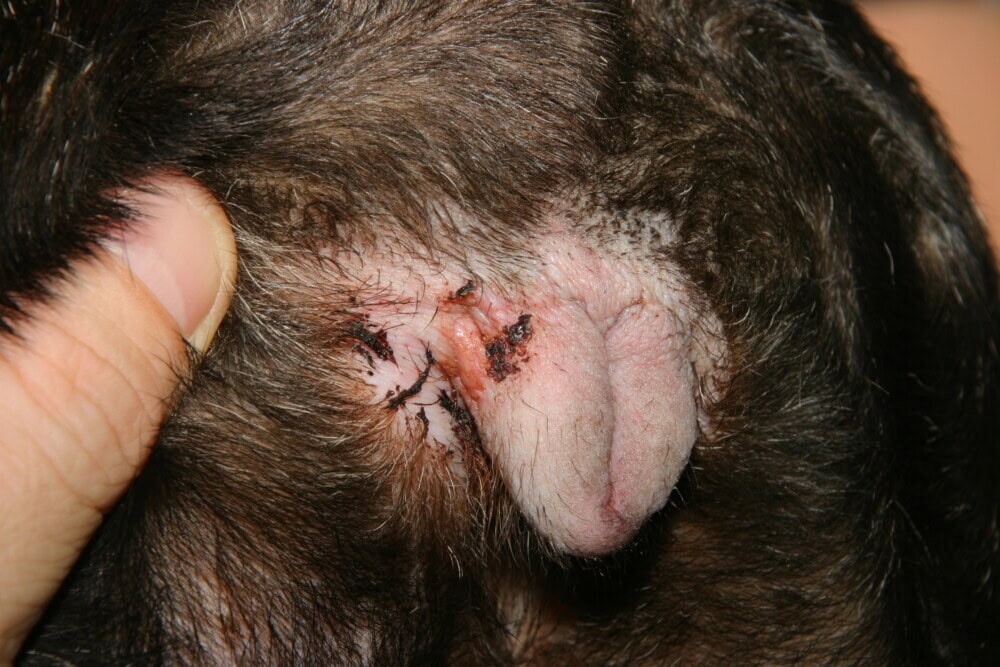
Perianal and perigenital dermatoses in dogs
The perianal, perineal and perigenital regions of the dog constitute an anatomical territory whose complexity is frequently underestimated in routine consultation. Yet the dermatoses that occur there are common, polymorphic and liable to cause significant morbidity. Intractable pruritus, chronic pain, ulcerative or nodular lesions: these are all clinical presentations that demand a structured diagnostic approach. At the recent ESVD congress, our colleague Elisa Maina from the University of Bern provided a comprehensive overview of these various dermatoses.
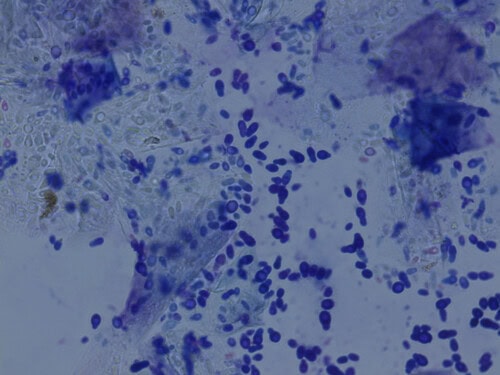
Complete update on Malassezia in dogs and cats
Yeasts of the genus Malassezia constitute lipophilic fungal agents that have evolved as cutaneous commensals and opportunistic pathogens across various mammalian and avian species. Their involvement in canine and feline dermatological and otological conditions represents a daily clinical challenge for veterinary practitioners on a global scale. At the recent NAVDF congress in Orlando, our colleague Ross Bond, a world specialist on the subject, had the opportunity to provide a comprehensive update, covering pathogenic, diagnostic and therapeutic aspects.
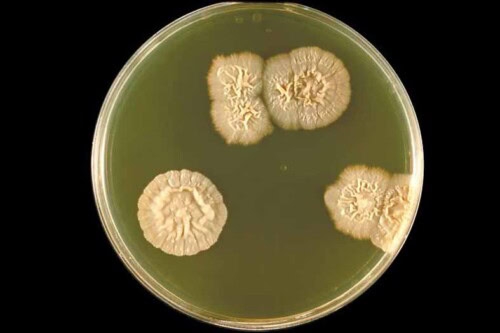
Feline Sporotrichosis: Clinical Aspects and Epidemiology
On the occasion of the last NAVDF congress held in April in Orlando, our colleagues Drs. Flavia Clare and Clarissa Souza provided a comprehensive review of sporotrichosis, a rare and largely unknown fungal dermatosis.
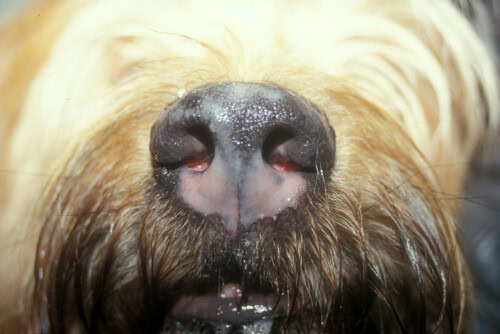
Dermatoses of the nasal planum in dogs
Dermatoses of the canine nasal planum represent a unique diagnostic challenge for the veterinary practitioner, despite their relative frequency in dermatological consultations. The etiological diversity of these conditions, combined with the frequent overlap of clinical presentations, requires a rigorous methodical approach that our colleague Laura Ordeix presented at the last ESVD congress held in Bilbao, Spain.
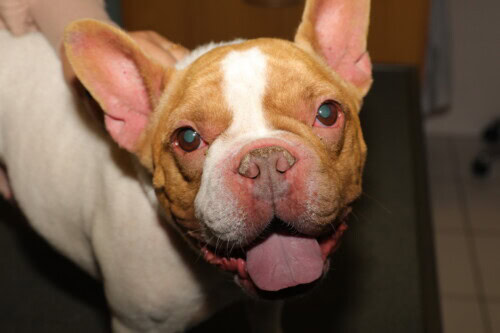
2025 Update on the Etiopathogenesis of Canine Atopic Dermatitis
Canine atopic dermatitis represents a major clinical challenge in contemporary veterinary medicine, with a prevalence that continues to increase in urban canine populations. This chronic inflammatory skin condition, characterized by intense pruritus and recurrent cutaneous lesions, significantly affects the quality of life of animals and constitutes a frequent reason for consultation in veterinary dermatology. At the recent NAVDF congress in Orlando, our colleague Rosanna Marsella had the opportunity to provide a comprehensive 2025 update on the etiopathogenesis of Canine Atopic Dermatitis.
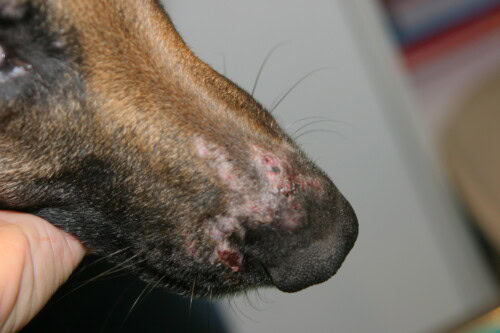
Dermatoses of the nasal planum in dogs
The canine nasal planum, a glabrous and aglandular structure, is subject to a variety of dermatological pathologies. These dermatoses often share similar clinical characteristics, making diagnosis a challenge for the veterinary practitioner.
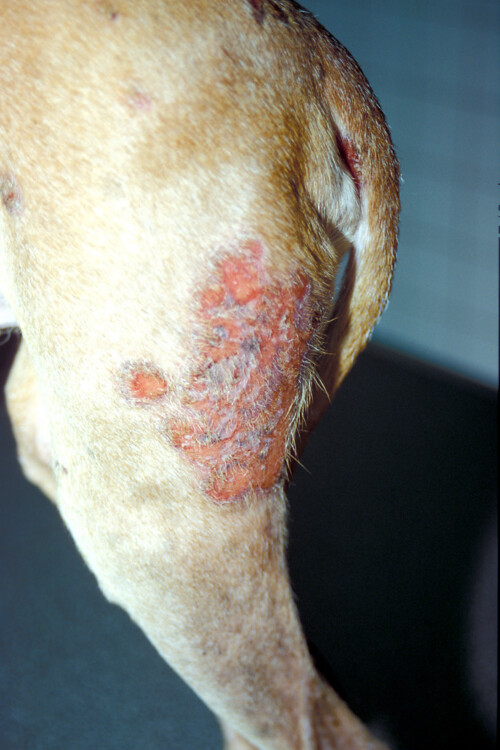
Retrospective study on 28 cases of canine lichenoid psoriasiform dermatosis
Psoriasiform lichenoid dermatosis constitutes an unusual cutaneous manifestation in dogs, closely associated with the administration of calcineurin inhibitors and complicated by staphylococcal infection. This dermatological condition, characterized by distinctive hyperkeratotic lesions, raises fundamental questions concerning the complex interactions between therapeutic immunomodulation and cutaneous pathogens.
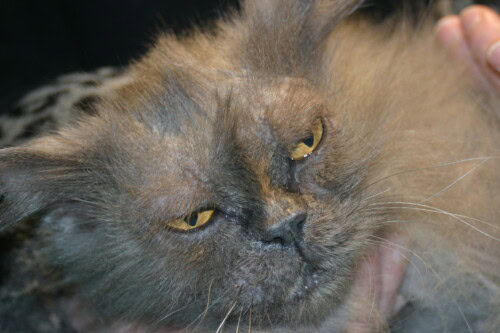
Immune-mediated skin diseases in cats: Part 1.
Immune-mediated skin diseases in cats, although rare, present a diagnostic and therapeutic challenge for veterinary practitioners. These pathologies, characterized by a dysregulation of the normal immune response, can manifest with variable clinical signs, ranging from erythema and alopecia to skin erosions, with or without pruritus, often mimicking other more common dermatological conditions.
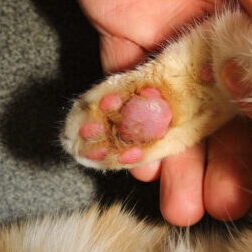
Immune-mediated skin disorders in cats: Part 2.
Feline immune-mediated skin diseases comprise a complex set of rare but potentially serious conditions that can mimic various infectious or allergic dermatoses. This second part of a series on immune-mediated dermatoses examines six distinct pathological entities characterized by specific pathophysiological mechanisms.
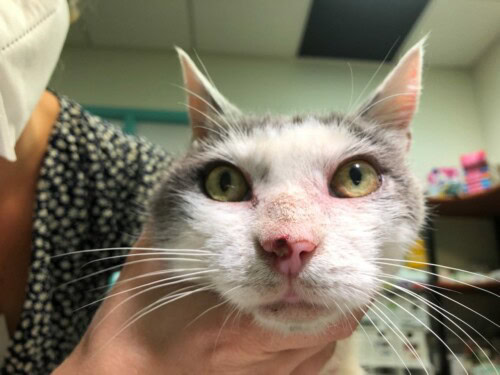
Feline Cutaneous Herpes Viral Infection: Clinical and Therapeutic Aspects
Cutaneous viral dermatoses often remain underdiagnosed in cats, not only due to their relative rarity but also due to the inherent complexity in precisely identifying the causal agent.
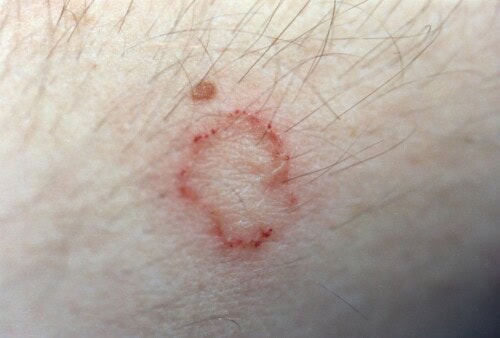
Ringworm in Dogs: Etiology, Epidemiology and Clinical Aspects.
Ringworm, which is a dermatophytosis, represents a superficial fungal infection of the skin and its appendages. This skin condition, caused by keratinophilic fungi belonging to the Microsporum and Trichophyton genera, is of particular importance in veterinary medicine due to its contagious, infectious, and zoonotic potential.
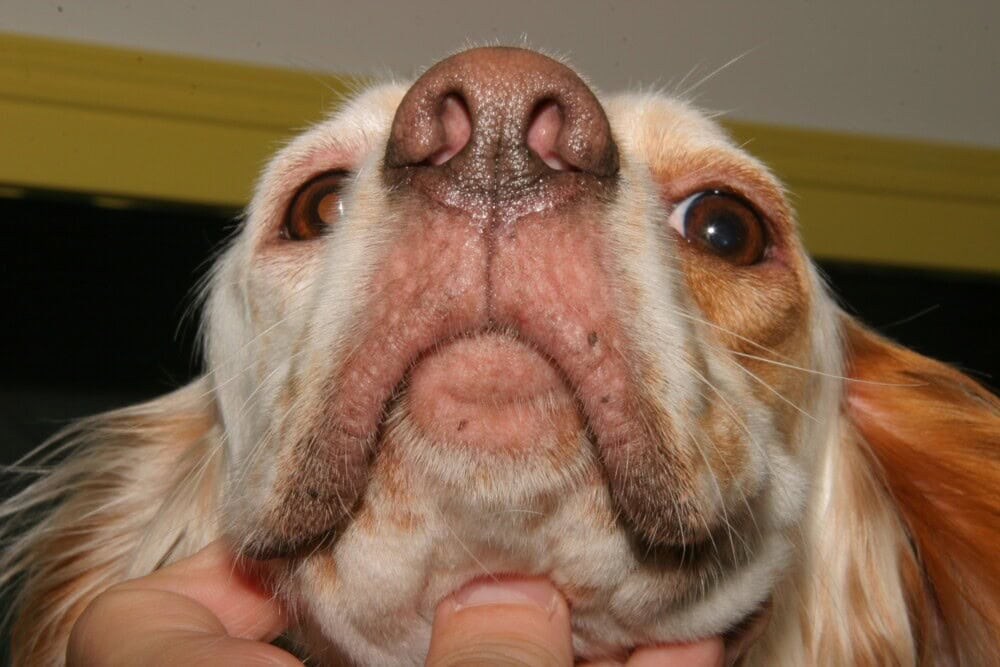
Hypoallergenic Diets in Dogs and Cats: 2026 Update
Food allergy affects up to 33% of atopic dogs and 22% of pruritic cats. The elimination diet remains, in 2026, the only validated diagnostic tool for confirming food allergy, as no serological or salivary test can confirm it. Discover in this comprehensive article the immunopathological mechanisms and current diagnostic strategies, from the choice of hypoallergenic food to long-term management. Grain-free or insect-based diets, particularities of these diets in cats, the role of the provocation test, and much more.
