

Canine atopic dermatitis (CAD) affects 3 to 15% of the canine population. The arrival of atinvicitinib (NUMELVI, MSD Animal Health), a selective second-generation JAK1 inhibitor authorised in Europe in July 2025, has altered the therapeutic landscape of this condition. This review details updated data, from the molecular mechanism to management strategies.
1. Background and Therapeutic Positioning
1.1 Epidemiology of canine atopic dermatitis
Canine atopic dermatitis is a chronic inflammatory immunologically mediated dermatosis whose prevalence in the general canine population has been estimated at between 3 and 15%, although the ACVD Task Force acknowledged that these figures are not based on reliable epidemiological data (Hillier 2001). Pruritus accounts for more than 20% of consultations in general veterinary practice, and CAD represents the leading identifiable cause in dogs under three years of age (Drechsler 2024). Predisposed breeds worldwide include the Labrador Retriever, English Bulldog, Boxer, Pug, and West Highland White Terrier, with significant geographical variations in prevalence rates (Hensel 2024). In Hungary, a retrospective study of 600 atopic dogs confirmed these breed predispositions with local particularities (Tarpataki 2006).
A recent Chinese epidemiological study (Dong 2024) modelling the incidence of CAD in 14 major cities highlighted the critical role of climatic factors, confirming a strong positive correlation with summer temperature and humidity. Interestingly, and counter-intuitively compared with human atopic models, the same study reported a negative correlation between CAD incidence and atmospheric pollutant concentrations, suggesting complex environmental and behavioural dynamics (such as a strictly indoor lifestyle during pollution peaks) affecting allergen exposure in pet dogs.
In the Labrador Retriever, the clinical phenotype is characterised by erythematous pruritus predominantly affecting the concave surfaces of the ear pinnae, interdigital spaces, and ventral trunk, with recurrent pododermatitis and otitis externa as cardinal markers of cutaneous barrier dysfunction (Gentry 2025). The French Bulldog frequently presents facial manifestations with periocular and perilabial erythema, whilst the German Shepherd develops predominantly axillary and inguinal lesions with more marked secondary infection (Hensel 2024). In contrast to ichthyosis in the Golden Retriever, where the PNPLA1 gene mutation has been clearly identified, no major susceptibility gene has been formally characterised for CAD to date.
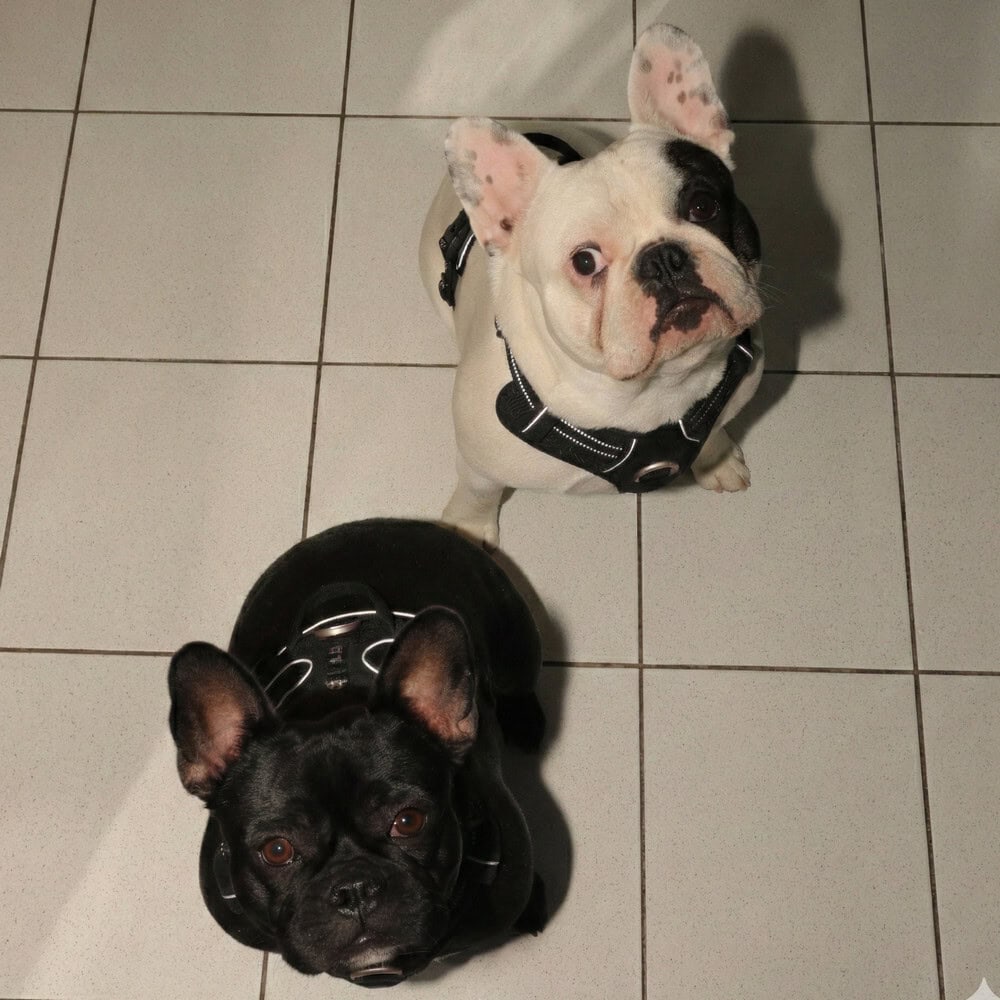
The French Bulldog is predisposed to canine atopic dermatitis
1.2 Pathophysiology: central role of the JAK-STAT pathway
Canine atopic dermatitis results from three mutually reinforcing mechanisms: a defective cutaneous barrier allowing allergen penetration, an immune response skewed towards allergy (Th2 polarisation), and progressive sensitisation to environmental allergens (Santoro 2015, Drechsler 2024). Atopic skin is both a gateway and an amplifier of inflammation. In response to this complexity, ICADA recommends a management approach combining the elimination of triggering factors, restoration of the cutaneous barrier, and pharmacological control of immunity (Olivry 2015). Olivry (2019) updated this algorithm by incorporating the new molecular targets identified since, notably the Janus kinase (JAK) pathway (Olivry 2019).
Many cytokines responsible for pruritus and inflammation in CAD transmit their signal within the cell via these enzymes. Blocking JAKs amounts to interrupting the inflammatory message before the cell even responds. Amongst these cytokines, IL-31 is the most directly pruritogenic. Produced by activated Th2 lymphocytes, it binds to a specific receptor (IL-31RA/OSMR) located on the surface of cutaneous sensory neurones, which activates JAK1 and JAK2 and directly triggers the scratching signal at the neuronal level (Gonzales 2014). TSLP, released by damaged keratinocytes, and IL-33 also utilise the JAK1 pathway to sustain inflammation and amplify pruritus.
The intracellular sequence proceeds as follows. The cytokine binds to its membrane receptor, altering the intracellular conformation of the receptor and activating the associated JAKs by mutual phosphorylation. These JAKs in turn phosphorylate the receptor, creating docking sites for proteins called STATs (Signal Transducers and Activators of Transcription). The STATs bind to these sites, are phosphorylated on a tyrosine residue, then associate in pairs to migrate into the cell nucleus where they activate the transcription of genes encoding pro-inflammatory mediators, cell proliferation factors, and pruritogenic molecules (Gonzales 2014). JAK inhibitors block this cascade at the enzymatic activation step, before the signal reaches the nucleus, which explains their rapid onset of action on pruritus.
1.3 History of JAK inhibitors in veterinary medicine
Oclacitinib (APOQUEL® ND, Zoetis), the first JAK inhibitor authorised in veterinary medicine, received its marketing authorisation in the United States in May 2013 for the control of pruritus associated with allergic dermatitis and the control of atopic dermatitis in dogs aged at least 12 months. In isolated enzyme systems, oclacitinib inhibits JAK1, JAK2, JAK3, and TYK2 with respective IC50 values of 10, 18, 99, and 84 nM, representing a selectivity of only 1.8-fold for JAK1 over JAK2 (Gonzales 2014). This modest selectivity necessitates a two-phase dosing regimen: 0.4–0.6 mg/kg twice daily for 14 days, then once daily for maintenance, in order to maintain plasma concentrations below the inhibition threshold of JAK2-dependent cytokines involved in haematopoiesis (Nederveld 2025). Ilunocitinib (ZENRELIA, Elanco Animal Health), authorised by the FDA in September 2024, is a non-selective JAK inhibitor with high affinity for JAK1, JAK2, and TYK2, administered at a dose of 0.6–0.8 mg/kg once daily (Patterson 2025). In a randomised clinical trial involving 268 atopic dogs, 83% of animals treated with ilunocitinib achieved therapeutic success (reduction ≥ 50% in PVAS or CADESI-04 score) at day 28, compared with 31% in the placebo group (p < 0.001) (Forster 2025a). Atinvicitinib (NUMELVI, MSD Animal Health), authorised by the European Commission on 24 July 2025, represents the first and only second-generation JAK inhibitor in veterinary medicine, with a selectivity for JAK1 at least 10 times greater than for the other members of the JAK family (EMA 2025).
On 12 June 2025, the Committee for Medicinal Products for Veterinary Use (CVMP) of the European Medicines Agency (EMA) issued a positive opinion for the granting of a marketing authorisation for NUMELVI. The marketing authorisation holder is Intervet International B.V., a subsidiary of Merck & Co., Inc. (known as MSD outside the United States and Canada). The European Commission granted the marketing authorisation on 24 July 2025, with the product becoming available on the European market in the third quarter of 2025. Since February 2026, NUMELVI (atinvicitinib) has also received authorisation in the United States for the control of pruritus associated with allergic dermatitis, including atopic dermatitis in dogs.
2. Presentation and Pharmaceutical Data
2.1 International non-proprietary name in the package leaflet and ATCvet code
The international non-proprietary name (INN) of the active substance is atinvicitinib. The assigned ATCvet code is QD11AH93, classifying this medicinal product in the category of dermatological agents for the treatment of dermatitis, excluding corticosteroids, within the classification system for veterinary medicinal products (EMA 2025). The entry “not applicable” appears in the SmPC for sections relating to withdrawal periods, major incompatibilities, and environmental precautions.
2.2 Qualitative and quantitative composition
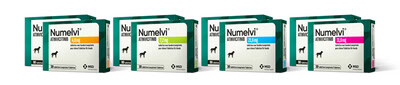
Each tablet contains 4.8 mg, 7.2 mg, 21.6 mg, or 31.6 mg of atinvicitinib respectively as the active substance. The excipients comprise: microcrystalline cellulose, lactose monohydrate, sodium starch glycolate (type A), tocofersolan, hydroxypropylcellulose, colloidal anhydrous silica, and magnesium stearate (EMA 2025).
Numelvi presentations
2.3 Pharmaceutical forms and available strengths (S, M, L, XL)
NUMELVI is presented as oblong, white to off-white tablets, scored by a break line on each face. Four strengths are available: S (4.8 mg), M (7.2 mg), L (21.6 mg), and XL (31.6 mg). Each strength is identified by an alphabetical marking (“S”, “M”, “L”, or “XL”) embossed on each half-tablet on the upper face. The tablets may be divided into two equal halves along the score line (EMA 2025).
2.4 Commercial packaging and storage
Two types of primary packaging are available: aluminium/PVC/polychlorotrifluoroethylene blister packs containing 30 tablets per strip (boxes of 1 or 3 strips, i.e. 30 or 90 tablets), and high-density polyethylene (HDPE) bottles containing 30 or 90 tablets. Not all formats are necessarily marketed in every Member State. The marketing authorisation numbers range from EU/2/25/351/001 to EU/2/25/351/016. This veterinary medicinal product does not require any special storage conditions. Any remaining half-tablet must be replaced in the opened blister pack or bottle (EMA 2025).
2.5 Legal status and conditions of supply
NUMELVI is a veterinary medicinal product subject to prescription. Its supply is conditional upon a prescription from a veterinary surgeon (EMA 2025).
3. Molecular Mechanism of Action and Pharmacodynamics
3.1 Fundamentals of the JAK-STAT pathway
The JAK-STAT signalling pathway constitutes the principal transduction mechanism for more than 50 cytokines and growth factors. Four Janus kinases (JAK1, JAK2, JAK3, TYK2) and seven STAT proteins (STAT1 to STAT4, STAT5a, STAT5b, STAT6) orchestrate this cascade. JAK1 is recruited by virtually all pro-inflammatory type I and type II cytokine receptors, making it a central node of immune and pruritogenic signalling (Gonzales 2014). JAK2, by contrast, is predominantly recruited by homodimeric receptors of haematopoietic cytokines such as erythropoietin (EPO) and GM-CSF, whose JAK2/JAK2 pairs transduce the signal necessary for bone marrow cell proliferation. JAK3, with restricted expression in haematopoietic cells, associates exclusively with the common γc chain of receptors for IL-2, IL-4, IL-7, IL-9, IL-15, and IL-21, playing a role in lymphocyte development and homeostasis. TYK2 participates in the signalling of type I interferons and IL-12/IL-23, involved in antiviral defence and Th1/Th17 polarisation (Patterson 2025). The specificity of the JAK pairs recruited by each cytokine receptor determines the pharmacological and toxicological profile of each inhibitor: a molecule that preferentially inhibits JAK1 will target pruritogenic and pro-inflammatory cytokines, whilst non-selective inhibition also affecting JAK2 may compromise erythropoiesis (via the EPO/JAK2/JAK2 receptor) and granulopoiesis (via the GM-CSF/JAK2 receptor), and inhibition of JAK3 may impair T and NK lymphopoiesis. Understanding this molecular architecture is a prerequisite for the comparative analysis of the three JAK inhibitors available in veterinary medicine in 2026.
3.2 Mechanism of competitive and selective inhibition of JAK1
Atinvicitinib acts as a reversible competitive inhibitor of the catalytic site of the JAK1 kinase, binding to the ATP-binding site within the JH1 kinase domain. Its chemical structure, distinct from the pyrrolopyrimidine core of oclacitinib, confers a selectivity at least 10-fold greater for JAK1 over JAK2, JAK3, and TYK2 (EMA 2025). This second-generation selectivity enables targeted inhibition of JAK1-dependent cytokines involved in pruritus and allergic inflammation, whilst preserving the functions of the other JAKs involved in haematopoiesis and host defence. By comparison, oclacitinib displays a JAK1/JAK2 selectivity of only 1.8-fold in isolated enzyme systems (IC50 of 10 nM for JAK1 versus 18 nM for JAK2) (Gonzales 2014), which represents a limiting factor for the therapeutic window of this first-generation agent.
3.3 Targeted cytokines involved in pruritus and inflammation (IL-31, IL-4, IL-13, TSLP, IL-33)
Inhibition of JAK1 by atinvicitinib blocks signal transduction from multiple pathogenic cytokines in CAD. IL-31, the major pruritogenic cytokine produced by Th2 lymphocytes, signals via the IL-31RA/OSMR complex that recruits JAK1/JAK2; selective inhibition of JAK1 is sufficient to interrupt this pruritogenic cascade without significantly affecting JAK2-dependent functions at the target dose (EMA 2025). IL-4, a central mediator of Th2 polarisation and IgE isotype switching, signals through the IL-4Rα/γc complex recruiting JAK1/JAK3. IL-13, involved in goblet cell hyperplasia and barrier dysfunction, utilises JAK1/JAK2/TYK2 pairs. TSLP, a keratinocyte-derived alarmin released in response to barrier damage and allergenic stimuli, activates a receptor recruiting JAK1/JAK2 (Wichtowska 2025). All of these cytokine targets converge on the JAK1 pathway, justifying the selective inhibition approach for multi-axis control of the pathology (Gonzales 2014).
3.4 JAK1 selectivity versus JAK2, JAK3, TYK2: biochemical data
Biochemical data from Intervet International B.V. indicate that atinvicitinib displays at least a tenfold selectivity (factor ≥ 10) for JAK1 over each of the three other members of the JAK family (JAK2, JAK3, TYK2) in isolated enzyme systems (EMA 2025). Consequently, atinvicitinib exerts little or no effect on cytokines involved in haematopoiesis (EPO, GM-CSF, JAK2-dependent) or in host defence (IL-12, IL-23, JAK2/TYK2-dependent). A poster presented at the 35th European Congress of Veterinary Dermatology (ECVD) in Bilbao in September 2025 confirmed that atinvicitinib behaves as a potent and highly selective JAK1 inhibitor (MSD Animal Health 2025). By contrast, oclacitinib requires adjustment of the administration frequency (from BID to SID after 14 days) to avoid prolonged inhibition of JAK2-dependent cytokines at supra-therapeutic plasma concentrations (Nederveld 2025).
3.5 Mechanism of action on pruritus: speed of onset and neurobiological basis
Atopic pruritus results from stimulation of cutaneous sensory nerve endings by pruritogenic mediators, principally IL-31, but also IL-4, IL-13, and TSLP, which directly activate neuronal receptors via JAK1-dependent pathways. Inhibition of JAK1 by atinvicitinib interrupts this pruritogenic transmission within the first hours following oral administration. A presentation at the ECVD 2025 congress demonstrated that atinvicitinib significantly reduces pruritus in a canine model of IL-31-induced allergy as early as 2 to 4 hours after administration (MSD Animal Health 2025). This rapidity of onset, clinically perceptible from the first dose, is based on the rapid absorption of the molecule (Tmax ≈ 1 hour) and its immediate inhibition of JAK1-dependent transduction at the level of sensory neurones and keratinocytes (EMA 2025).
3.6 Impact on cutaneous barrier regulation
Atinvicitinib did not induce immunosuppressive effects at the target dose in preclinical and clinical studies (EMA 2025). The reduction of JAK1 enzyme activity-dependent allergic inflammation leads to a decrease in white blood cell counts associated with inflammation (eosinophils, neutrophils, monocytes) whilst maintaining these parameters within reference ranges, reflecting immune modulation rather than immunosuppression (Jirjis 2025). This property is compatible with preservation of cutaneous barrier function, since attenuation of the Th2 inflammatory cascade reduces the degradation of intercorneocytic lipids and epidermal junction proteins induced by pro-inflammatory cytokines.
4. Pharmacokinetics in Dogs
4.1 Absorption: oral bioavailability, effect of feeding
Following oral administration, atinvicitinib is rapidly and well absorbed, with a mean observed maximum plasma concentration (Cmax) of 190 ng/mL, reached approximately 1 hour (Tmax) after administration (EMA 2025). Absolute bioavailability, assessed following once-daily administration for four days, is approximately 65%. Bioavailability is greater in fed dogs, which justifies the recommendation to administer the medicinal product at or around the time of feeding. This pharmacokinetic characteristic is directly integrated into the prescribing information: “the veterinary medicinal product should be administered once daily, at or around the time of feeding” (EMA 2025).
4.2 Distribution: volume of distribution, plasma protein binding
The apparent volume of distribution at steady state is 1651 mL/kg body weight, indicating moderate to extensive tissue distribution (EMA 2025). Atinvicitinib exhibits moderate binding to plasma proteins, with 82.3% of the substance bound in canine plasma at a concentration of 1802 ng/mL (5 µM). This moderate binding, lower than that of many anti-inflammatory agents, favours the pharmacologically active free fraction at cutaneous and neuronal sites of action.
4.3 Hepatic metabolism: enzymatic pathways involved (CYP450)
Atinvicitinib undergoes extensive metabolism in dogs, generating multiple metabolites. The principal clearance pathway is hepatic metabolism, although the specific cytochrome P450 isoenzymes involved were not detailed in the published SmPC. Total body clearance from plasma is 1074 mL/h/kg body weight (17.9 mL/min/kg), placing atinvicitinib in the category of molecules with high hepatic clearance (EMA 2025).
4.4 Elimination: elimination half-life, excretion pathways
The terminal elimination half-life (t1/2, or terminal half-life) is 2 hours following oral administration, which is markedly shorter than that of oclacitinib (approximately 4 to 5 hours) (EMA 2025). Excretion occurs primarily via the faecal route through metabolites, with renal elimination and urinary excretion constituting a minor pathway. This short half-life implies that plasma concentrations rapidly fall below cytokine inhibition thresholds after each administration, which may contribute to the favourable safety profile by limiting prolonged exposure to inhibitory concentrations.
4.5 Population pharmacokinetics: inter-individual variability according to body weight
The pharmacokinetics of atinvicitinib are linear and exposure increases proportionally with dose within the tested range. The weight band-based dosing regimen (0.8–1.2 mg/kg) is designed to cover inter-individual variability within each weight band. In a 6-month study conducted with doses up to 5 times the maximum recommended dose, slight accumulation was observed in some individuals, with steady state being reached after 7 weeks (EMA 2025).
4.6 Pharmacokinetics in special populations (renal/hepatic insufficiency)
No specific pharmacokinetic studies have been conducted in dogs with renal or hepatic insufficiency. However, the predominantly metabolic (faecal) elimination pathway and the minor contribution of renal excretion suggest a limited risk of accumulation in cases of moderate renal insufficiency. Use in animals with significant hepatic insufficiency should be subject to an individual benefit/risk assessment by the responsible veterinary surgeon.
5. Indications, Dosage, and Method of Administration
NUMELVI is indicated for the treatment of pruritus associated with allergic dermatitis, including atopic dermatitis, in dogs. It is also indicated for the treatment of the clinical manifestations of atopic dermatitis in dogs (EMA 2025). These two distinct indications cover both symptomatic control of pruritus regardless of the allergic aetiology (including food allergy, flea allergy, and contact allergy) and the treatment of cutaneous lesions specific to CAD.
5.2 Recommended dosage according to weight bands
The recommended dose is 0.8 to 1.2 mg of atinvicitinib/kg body weight, administered once daily by the oral route, at or around the time of feeding (EMA 2025). The once-daily dosing regimen from the outset of treatment represents a simplification compared with oclacitinib, which requires an induction phase of twice-daily administration for 14 days.
5.3 Dosage selection guide (weight/tablet table)
The choice of strength is made according to the following weight bands: dogs weighing 3.0 to 4.3 kg: ½ tablet of 4.8 mg (i.e. 2.4 mg); dogs weighing 4.4 to 6.0 kg: 1 tablet of 4.8 mg; dogs weighing 6.1 to 9.0 kg: 1 tablet of 7.2 mg; dogs weighing 9.1 to 13.5 kg: ½ tablet of 21.6 mg (i.e. 10.8 mg); dogs weighing 13.6 to 19.3 kg: ½ tablet of 31.6 mg (i.e. 15.8 mg); dogs weighing 19.4 to 26.5 kg: 1 tablet of 21.6 mg; dogs weighing 26.6 to 39.5 kg: 1 tablet of 31.6 mg; dogs weighing 39.6 to 54.0 kg: 1½ tablets of 31.6 mg; dogs weighing 54.1 to 79.0 kg: 2 tablets of 31.6 mg. Dogs outside these weight bands may receive a combination of whole and/or half-tablets to achieve the target dose of 0.8–1.2 mg/kg. The available strengths do not permit precise dosing in dogs weighing less than 2 kg (EMA 2025).
5.4 Method and route of administration, management of scored tablets
Administration is exclusively by the oral route. The tablets are scored along the break line and may be divided into two equal halves. Any unused half-tablet must be replaced in the opened blister pack or bottle (EMA 2025).
5.5 Duration of treatment and clinical reassessment
The intensity and duration of the signs of allergic dermatitis, including atopic dermatitis, are variable. The need for long-term treatment must be based on an individual benefit/risk assessment. It is recommended to identify and treat complicating factors such as bacterial, fungal, or parasitic infections (for example: fleas, Demodex mites), as well as underlying causes (flea allergy, contact allergy, food allergy) (EMA 2025).
5.6 Management of missed doses or overdose
The SmPC does not specify a particular course of action in the event of a missed dose. In cases of overdose, the high JAK1 selectivity limits the potential for adverse effects mediated by the other JAK enzymes. The veterinary medicinal product was well tolerated when administered orally to healthy 6-month-old puppies treated with overdoses of up to 5 times the maximum recommended dose, once daily for 6 months. At significant overdoses, treatment may lead to a greater susceptibility to the development of bacterial, fungal, and/or parasitic skin diseases. Symptomatic treatment is recommended in cases of adverse effects following overdose (EMA 2025).
6. Precautions for Use, Contraindications, and Interactions
6.1 Absolute contraindications
NUMELVI is contraindicated in cases of hypersensitivity to the active substance or to any of the excipients (EMA 2025).
6.2 General precautions for use
No special warnings have been identified beyond the precautions for use detailed below (EMA 2025).
6.3 Use in puppies, pregnant or lactating females
The safety of NUMELVI has not been evaluated in dogs under 6 months of age or weighing less than 3 kg. Use in younger animals or those of lower weight should be based on a benefit/risk assessment. This is the only JAK inhibitor authorised in dogs from 6 months of age, which represents an advantage over oclacitinib (restricted to dogs aged 12 months and over) and ilunocitinib (Patterson 2025). Use is not recommended during pregnancy, lactation, or in breeding animals. Laboratory studies in rats and rabbits showed effects on prenatal development, inherent to the class of JAK inhibitors. Studies in male rats demonstrated an effect on sperm count and sperm motility (EMA 2025).
6.4 Precautions in immunocompromised or infected animals
The safety of the veterinary medicinal product has not been evaluated in dogs showing signs of immunosuppression such as uncontrolled primary hypothyroidism or rickettsiosis, nor in animals with progressive malignant neoplasia. Use in these cases should be based on a benefit/risk assessment by the responsible veterinary surgeon (EMA 2025).
6.5 Known or potential drug interactions
No drug interactions are known. No interactions were observed in field studies when NUMELVI was administered concomitantly with other veterinary medicinal products such as antimicrobials (including topical preparations), ecto- and endoparasiticides (isoxazolines, milbemycins, avermectins, pyrethroids), nutritional supplements, non-glucocorticoid-containing topical ear and skin cleansers, and medicated shampoos (EMA 2025). The absence of known drug interactions represents a practical advantage for the multimodal management of CAD.
A major point of differentiation is the absence of impact on the vaccine immune response. A dedicated study demonstrated that an adequate serological response to live attenuated vaccines for canine adenovirus type 2 (CAV-2), canine distemper virus (CDV), canine parvovirus (CPV), and the inactivated rabies virus (RV) vaccine was achieved in vaccine-naïve 6-month-old puppies receiving atinvicitinib at 3.6 mg/kg/day (i.e. 3 times the maximum recommended dose) for 84 days (EMA 2025). This poster, presented at the ECVD 2025 congress in Bilbao under the title “Protective antibody response to core vaccine antigens in dogs treated with high dose atinvicitinib”, constitutes a compelling argument for the use of NUMELVI in young dogs during primary vaccination, where oclacitinib is contraindicated in animals under 12 months of age and where data on ilunocitinib under conditions of concomitant vaccination are more limited.
6.6 Special precautions for the human user
Persons administering the medicinal product should wash their hands thoroughly with soap and water immediately after use (EMA 2025).
6.7 Adverse effects: frequency, nature, and clinical management
The adverse effects observed in dogs are classified as common when affecting 1 to 10 animals per 100 treated and include: vomiting, diarrhoea, lethargy, and anorexia (decreased appetite). In the clinical trial involving 289 allergic dogs, the reported adverse effects were mild and transient: vomiting (2.1% atinvicitinib versus 1.4% placebo), diarrhoea (2.1% versus 4.9%), anorexia (0.7% versus 2.1%), and lethargy (2.8% versus 1.4%) (Jirjis 2025). No papillomas or cutaneous masses were reported in this study.
7. Clinical Efficacy Data
7.1 Preclinical studies (in vitro and experimental animal models)
In vitro pharmacodynamic studies confirmed the potency and high selectivity of atinvicitinib for JAK1 over the other members of the JAK family. A poster presented at the ECVD 2025 congress in Bilbao, entitled “The second-generation Janus kinase inhibitor atinvicitinib is a potent and highly selective inhibitor of JAK1”, detailed the biochemical selectivity profile of the molecule (MSD Animal Health 2025). In a canine model of IL-31-induced pruritus, a presentation at the same congress demonstrated that atinvicitinib significantly reduces pruritus within 2 to 4 hours of oral administration, confirming the correlation between JAK1 inhibition and rapid control of scratching behaviour (MSD Animal Health 2025).
7.2 Pivotal efficacy study — multicentre randomised controlled trial (CADESI, PVAS)
The pivotal trial presented at the ECVD 2025 congress under the title “The Second-Generation Janus Kinase 1 Selective Inhibitor Atinvicitinib is a Safe and Effective Once-Daily Treatment For Dogs with Atopic Dermatitis” evaluated the safety and efficacy of NUMELVI in client-owned dogs diagnosed with CAD according to Favrot’s criteria and presenting significant pruritus. The animals were randomised to receive either one of two different atinvicitinib dosing regimens, or a placebo over a defined period. The primary efficacy criterion was the proportion of dogs achieving a ≥ 50% reduction in the pruritus score (owner-assessed PVAS) or the cutaneous lesion severity index. The results showed that 87.5% of dogs receiving 0.8–1.2 mg atinvicitinib/kg once daily throughout the study achieved this criterion of therapeutic success, compared with only 23.1% in the placebo group (MSD Animal Health 2025). Treatment was well tolerated with no treatment-related adverse effects in this study. This response rate of 87.5% with atinvicitinib is amongst the highest reported for a JAK inhibitor in CAD, although the specific methodology of this trial (inclusion criteria, duration, assessment modalities) must be taken into account before any indirect comparison with trials conducted on other molecules. The absence of treatment-related adverse effects in the atinvicitinib group reinforces the hypothesis that second-generation JAK1 selectivity improves the benefit/risk ratio compared with first-generation inhibitors.
7.3 Field study on allergic pruritus — randomised controlled trial (289 dogs)
A second large-scale, randomised, placebo-controlled clinical trial involving 289 client-owned dogs suffering from allergic dermatitis was presented at the same congress under the title “The Second-Generation Janus Kinase 1 Selective Inhibitor Atinvicitinib: A Safe and Effective Once-Daily Treatment for Pruritus in Dogs with Allergic Dermatitis” (Jirjis 2025). This field study included dogs presenting with severe pruritus associated with allergic dermatitis of any aetiology, thus offering a population representative of day-to-day clinical practice, including cases of food allergy, flea allergy, and atopic dermatitis. Administered once daily at the recommended dose of 0.8–1.2 mg/kg, NUMELVI was well tolerated with mild and transient adverse effects. At day 7, 81.8 ± 3.8% (least squares mean ± SEM) of dogs treated with atinvicitinib showed a ≥ 2 cm reduction in PVAS score, compared with 46.5 ± 5.3% in the placebo group (p < 0.0001). Significantly more dogs treated with atinvicitinib showed a 50% reduction in PVAS on at least 5 of the first 7 days of treatment (p = 0.0109) (Jirjis 2025). With regard to haematological tolerability, no notable changes in erythrocytic parameters or clinical biochemistry were observed. Eosinophil, neutrophil, monocyte, and total white blood cell counts decreased in the treated group but remained within physiological limits, confirming a reduction in allergic inflammation without immunosuppression. Safety data showed that papillomas and cutaneous masses, signals of concern with other JAK inhibitors, were not reported in this study. Post-marketing authorisation pharmacovigilance data are being collected in accordance with EMA requirements (EMA 2025).
7.4 Studies on short-term antipruritic effect (days 1–7)
The short-term efficacy of atinvicitinib on pruritus was demonstrated from the first hours of administration. The canine IL-31 allergy model showed a significant reduction in pruritus 2 to 4 hours after the first dose (MSD Animal Health 2025). In the clinical trial involving 289 dogs, the proportion of dogs showing a ≥ 50% reduction in PVAS was already significantly greater in the atinvicitinib group compared with placebo from day 3 of treatment (Jirjis 2025). NUMELVI is described by the marketing authorisation holder as “clinically effective from the first dose”.
7.5 Studies on long-term efficacy (3–6 months)
The pivotal CAD study evaluated dogs over the full duration of the protocol, with 87.5% of animals treated at the recommended dose achieving the criterion of therapeutic success (≥ 50% reduction in pruritus or cutaneous lesions) (MSD Animal Health 2025). The tolerability study at high doses (up to 5 times the maximum dose) conducted over 6 months in 6-month-old puppies revealed no dose-limiting toxicity, with good long-term tolerability (EMA 2025). Additional data on efficacy beyond 6 months are expected in post-marketing authorisation publications.
7.6 Data on quality of life in animals and owners
A study using a 3D accelerometer for remote assessment of activity and behaviour in healthy and atopic dogs was presented at the ECVD 2025 congress, providing objective data on the impact of treatment on quality of life (MSD Animal Health 2025). The reduction in pruritus and inflammation translates clinically into improved sleep, a decrease in scratching and licking behaviours, and restoration of social interaction with the owner.
8. Safety and Tolerability Data
8.1 Tolerability studies at target dose and high doses (5x, 10x)
The multiple-dose tolerability study was conducted in healthy 6-month-old puppies receiving atinvicitinib at doses of up to 5 times the maximum recommended dose (i.e. up to 6.0 mg/kg/day), once daily for 6 months. The medicinal product was well tolerated at these high doses, with no major clinical adverse effects (EMA 2025). This safety margin should be considered in the context of the short half-life of 2 hours, which limits cumulative systemic exposure despite the high doses.
8.2 Haematological and biochemical profile: longitudinal monitoring
In the clinical study involving 289 dogs, no notable changes or abnormal trends in erythrocytic parameters, clinical biochemistry, or urinalysis were observed in dogs treated with atinvicitinib (Jirjis 2025). Mean counts of eosinophils, neutrophils, monocytes, and total white blood cells decreased in treated dogs but remained within reference ranges, indicating a reduction in allergic inflammation rather than immunosuppression. This favourable haematological profile contrasts with the precautions necessary during prolonged use of oclacitinib at twice-daily dosing, where plasma concentrations may approach the inhibition thresholds of JAK2-dependent cytokines involved in haematopoiesis (Nederveld 2025).
8.3 Impact on immunosurveillance: intercurrent infections
At the recommended dose, atinvicitinib did not induce immunosuppressive effects (EMA 2025). Rates of secondary infections (bacterial, fungal, parasitic) were not significantly increased in treated groups compared with placebo in clinical trials. At significant overdoses, increased susceptibility to the development of bacterial, fungal, and/or parasitic skin diseases was mentioned as a potential risk (EMA 2025).
8.4 Oncological data: neoplastic risk signals
The question of neoplastic risk is a matter of vigilance for the entire class of JAK inhibitors, owing to the role of the JAK-STAT pathway in tumour signalling and anti-tumour immunosurveillance. In human medicine, JAK1/JAK2 inhibitors such as ruxolitinib have been associated with an increased incidence of basal cell and squamous cell carcinomas (17.1% versus 2.7% with other therapies) (Marsella 2023). Tofacitinib, a JAK1/JAK3 inhibitor, has been subject to regulatory warnings concerning thromboembolic and neoplastic risk in patients with rheumatoid arthritis. In veterinary medicine, retrospective analyses of long-term use of oclacitinib in atopic dogs have not confirmed a significant increase in neoplastic risk (Nederveld 2025), although pharmacovigilance signals have been reported (papillomas, histiocytomas).
Although no papillomas or cutaneous masses were reported in the initial 28-day clinical trial involving 289 dogs treated with atinvicitinib (Jirjis 2025), it is methodologically imperative to emphasise that a trial of such short duration possesses neither the statistical power nor the temporal perspective required to evaluate the neoplastic risk of a new molecule. Any direct comparison with oclacitinib must be nuanced: whilst the latter has been subject to isolated reports of papillomas during its 13 years of commercialisation, the vast recent retrospective epidemiological studies (Nederveld 2025) have formally demonstrated that the overall incidence of neoplasia is not statistically greater with oclacitinib compared with other systemic therapies. The increased selectivity of atinvicitinib for JAK1 offers an appealing mechanistic safety rationale, but only the rigorous accumulation of pharmacovigilance data over several years will confirm this theoretical oncological advantage.
The high JAK1 selectivity (factor ≥ 10) should theoretically reduce the risk of interference with the JAK2/JAK3/TYK2 pathways involved in anti-tumour immunosurveillance, since host defence functions dependent on JAK2 (NK cells, macrophages activated by IL-12/IL-23) and JAK3 (cytotoxic T lymphocytes) are preserved. However, a more prolonged post-marketing follow-up, with systematic oncological monitoring in cohorts of several thousand dogs treated for more than 12 months, will be necessary to confirm the absence of an oncological signal and to durably establish the long-term safety profile of atinvicitinib in this regard.
8.5 Comparative tolerability with other JAK inhibitors and conventional immunosuppressants
The increased selectivity of atinvicitinib for JAK1 (factor ≥ 10 versus JAK2) compared with oclacitinib (factor 1.8 versus JAK2) constitutes the pharmacological basis for an expected better tolerability profile, particularly with regard to haematological and immunological parameters (EMA 2025, Gonzales 2014). The absence of a requirement for a twice-daily induction phase (unlike oclacitinib) and the possibility of use from 6 months of age (compared with 12 months for oclacitinib) further reinforce the differential safety profile.
9. Positioning Relative to Other JAK Inhibitors: Atinvicitinib / Oclacitinib / Ilunocitinib
9.1 Comparison of JAK selectivity profiles (IC50 and relative selectivity)
Oclacitinib displays enzymatic IC50 values of 10, 18, 99, and 84 nM for JAK1, JAK2, JAK3, and TYK2 respectively, representing a JAK1/JAK2 selectivity of 1.8-fold (Gonzales 2014). Ilunocitinib possesses high affinity for JAK1, JAK2, and TYK2, classifying it as a non-selective inhibitor (Patterson 2025). Atinvicitinib displays at least a tenfold selectivity (factor ≥ 10) for JAK1 over each of the three other members of the JAK family (EMA 2025). This gradation of selectivity — ilunocitinib < oclacitinib < atinvicitinib — positions atinvicitinib as the most selective of the JAK inhibitors currently available in veterinary dermatology.
9.2 Pharmacokinetic comparison: onset of action, half-life, dosing frequency
Atinvicitinib has a Tmax of 1 hour and a half-life of 2 hours, oclacitinib a Tmax of approximately 1 hour and a half-life of 4 to 5 hours, and ilunocitinib a half-life of approximately 4 hours. All three molecules allow a rapid antipruritic effect within the first few hours. The dosing frequency is once daily for both atinvicitinib and ilunocitinib, compared with twice daily for 14 days then once daily for oclacitinib (EMA 2025, Patterson 2025).
9.3 Efficacy comparison: CADESI-04 scores, PVAS, indirect meta-analysis
In the absence of a published direct head-to-head comparative trial between atinvicitinib and the two other JAK inhibitors, only an indirect comparison is possible. Atinvicitinib at 0.8–1.2 mg/kg/day demonstrated a rate of ≥ 50% reduction in pruritus or lesions in 87.5% of atopic dogs compared with 23.1% under placebo (MSD Animal Health 2025). Ilunocitinib at 0.6–0.8 mg/kg/day showed a therapeutic success rate of 83% at day 28 compared with 31% under placebo (Forster 2025). For oclacitinib, historical data from the pivotal Australian trial reported efficacy comparable to prednisolone in controlling pruritus and clinical signs of allergic dermatitis in privately owned dogs (Cosgrove 2013). These indirect comparisons must be interpreted with caution owing to differences in design, inclusion criteria, and study duration.
9.4 Comparison of tolerability profiles and adverse effects
The most common adverse effects are similar for all three JAK inhibitors: vomiting, diarrhoea, anorexia, and lethargy. However, atinvicitinib has the theoretical advantage of less interference with JAK2-dependent cytokines involved in haematopoiesis, owing to its tenfold selectivity. The absence of papillomas and cutaneous masses in the trial involving 289 dogs treated with atinvicitinib (Jirjis 2025) contrasts with the historical pharmacovigilance signals reported for oclacitinib, although long-term retrospective analyses have not confirmed a significant increase in neoplastic risk with oclacitinib (Nederveld 2025).
9.5 Specific advantages of atinvicitinib over oclacitinib
Atinvicitinib differs from oclacitinib by: a JAK1/JAK2 selectivity at least 5 times greater (factor ≥ 10 versus 1.8), a simplified dosing regimen of once daily from day one (versus BID for 14 days then SID), the possibility of use from 6 months of age (versus 12 months), a demonstrated absence of impact on the vaccine immune response at 3 times the maximum dose, and the absence of known drug interactions (EMA 2025).
9.6 Specific advantages of atinvicitinib over ilunocitinib
Compared with ilunocitinib, atinvicitinib offers markedly superior JAK1 selectivity (factor ≥ 10 versus the non-selective JAK1/JAK2/TYK2 profile of ilunocitinib), a shorter half-life (2 hours versus approximately 4 hours), and authorisation for use from 6 months of age. The increased selectivity should theoretically translate into less impact on haematopoiesis and immunosurveillance over the long term (EMA 2025, Patterson 2025).
9.7 Advantages and disadvantages compared with other treatments in the atopic dog: corticosteroids, ciclosporin, and lokivetmab
Systemic corticosteroids (prednisolone, 0.5–1 mg/kg/day orally in the induction phase; methylprednisolone, 0.4–0.8 mg/kg/day) provide rapid control of pruritus in more than 80% of cases but are accompanied by well-documented dose-dependent and duration-dependent adverse effects: polyuria-polydipsia (in 50 to 85% of cases depending on the study), polyphagia, cutaneous atrophy, calcinosis cutis, increased infectious risk (secondary pyoderma, demodicosis, dermatophytosis), suppression of the hypothalamic-pituitary-adrenal axis, and risk of iatrogenic diabetes mellitus with prolonged use. Atinvicitinib, with its selective targeting of the JAK1 pathway, avoids these pleiotropic effects of glucocorticoids whilst offering pruritus control of comparable rapidity. Systemic corticosteroids therefore retain their place in acute flares requiring broad and rapid anti-inflammatory action, but atinvicitinib constitutes a first-line alternative for long-term treatment.
Ciclosporin, a calcineurin inhibitor administered at 5 mg/kg/day per os, acts on T lymphocyte activation via inhibition of the NFAT pathway, with demonstrated efficacy in CAD (approximately 50% reduction in CADESI-03 after 4 to 6 weeks of treatment in pivotal trials). However, it presents a longer onset of action (4 to 6 weeks to maximum effect), frequent gastrointestinal adverse effects at the start of treatment (vomiting in 25 to 30% of cases), and requires monitoring of renal and hepatic parameters. Atinvicitinib offers control of pruritus within the first hours after the first dose, a major temporal advantage in clinical practice.
Lokivetmab (CYTOPOINT, Zoetis), an anti-IL-31 monoclonal antibody administered by subcutaneous injection, specifically neutralises IL-31 with excellent tolerability and a safety profile comparable to placebo in clinical trials. Its advantage lies in perfect adherence (single clinic injection) and the absence of systemic immunosuppression. Lokivetmab differs from JAK inhibitors in that it neutralises the cytokine directly in the systemic circulation before its binding to the receptor, rather than inhibiting intracellular transduction. Whilst atinvicitinib offers multi-axis inhibition simultaneously blocking the signalling of several cytokines (IL-31, IL-4, IL-13, TSLP), which is particularly relevant for phenotypes displaying a severe cutaneous inflammatory component, lokivetmab retains a decisive advantage in terms of adherence (single injection) and absolute safety (absence of hepatic metabolism and systemic immunosuppression). These two approaches are therefore not strictly hierarchical but integrate into a therapeutic continuum in which the patient’s characteristics (age, hepatic comorbidities, lesional phenotype) dictate the first-choice treatment. In dogs whose clinical phenotype involves a marked cutaneous inflammatory component (diffuse erythema, lichenification, papulocrustous lesions), the multi-axis inhibition of atinvicitinib may prove more appropriate than the mono-cytokine neutralisation of lokivetmab. The combination of lokivetmab and atinvicitinib has not been evaluated in controlled trials, but the absence of known drug interactions for atinvicitinib suggests this possibility in refractory cases, subject to individual clinical assessment.
10. Perspectives and Practical Conclusions
10.1 Place of Numelvi in the overall therapeutic strategy for CAD
The arrival of atinvicitinib enriches the therapeutic armamentarium available for the management of CAD. As an authorised first-line treatment, administrable from 6 months of age in a once-daily dosing regimen without an induction phase, NUMELVI is positioned as a preferred option for the rapid control of pruritus and cutaneous lesions of atopic dermatitis and allergic dermatitis more broadly. Second-generation JAK1 selectivity constitutes a pharmacological argument in favour of a better long-term safety profile, although post-marketing pharmacovigilance data will need to confirm this theoretical advantage. Veterinary surgeons now have access to three oral JAK inhibitors, an anti-IL-31 monoclonal antibody, and conventional options (corticosteroids, ciclosporin, allergen immunotherapy), allowing therapeutic personalisation according to the clinical phenotype, the age of the animal, comorbidity conditions, and individual response to treatment.
10.2 Possible therapeutic combinations (allergen immunotherapy, topical treatment)
The absence of known drug interactions opens the way for multimodal strategies combining atinvicitinib with allergen-specific immunotherapy (ASIT), emollient and ceramide-based topical preparations for cutaneous barrier restoration, antiseptic shampoos for the control of secondary staphylococcal and yeast infections, and ectoparasiticides for the elimination of fleas and Demodex mites as triggering or aggravating factors. The demonstration of no impact on the vaccine response, even at 3 times the maximum dose in vaccine-naïve 6-month-old puppies (EMA 2025), allows concomitant vaccination without the need for a treatment-free window.
10.3 Remaining questions and ongoing research on this new veterinary medicinal product
Several questions remain and constitute as many priority research avenues.
Direct comparative efficacy (head-to-head trials) between atinvicitinib, oclacitinib, and ilunocitinib in homogeneous canine populations represents the most pressing need to guide therapeutic choices in practice. The review article by Noli (Noli 2025) emphasises that differences in kinase selectivity and pharmacokinetic profile between JAK inhibitors may translate into differential clinical advantages according to disease phenotype, but only direct comparative trials will allow this to be confirmed (Noli 2025). The very long-term safety profile (> 12 months) under real-world conditions of use, with longitudinal haematological monitoring (quarterly complete blood count), immunological monitoring (immunoglobulin levels, booster vaccine responses), and systematic oncological monitoring (incidence of papillomas, histiocytomas, lymphomas, and other tumours), will be decisive in durably positioning atinvicitinib within the hierarchy of therapeutic options.
The impact of atinvicitinib on the cutaneous microbiome and colonisation by Staphylococcus pseudintermedius, a frequent complicating factor in CAD, warrants specific investigation, particularly since the reduction in JAK1-dependent inflammation may modify the cutaneous micro-ecological environment. The potential interest of atinvicitinib in other canine immune-mediated dermatoses (pemphigus foliaceus, cutaneous lupus, vasculitis) and in other species (feline atopic dermatitis, for which no JAK inhibitor is currently authorised) constitutes a promising field of investigation. Complete characterisation of the CYP450 metabolic pathways involved in the metabolism of atinvicitinib would allow potential drug interactions with azole antifungals or other CYP substrates to be anticipated. Assessment of predictive biomarkers of therapeutic response — serum cytokine profile (IL-31/IL-10 ratio), cutaneous gene expression (Th2 transcriptomic signature), barrier dysfunction score (transepidermal water loss measurement, TEWL) — also constitutes a development avenue for precision medicine in veterinary dermatology.
10.4 Practical recommendations in veterinary dermatology
The prescription of NUMELVI fits within a structured diagnostic approach: the identification and treatment of triggering and aggravating factors (fleas, Demodex, bacterial and fungal infections, food allergy, contact allergy) remains a prerequisite or an indispensable complement to any immunomodulatory therapy. A dietary elimination trial of at least 8 weeks should be proposed to rule out or confirm a food allergy component before embarking on long-term treatment. Strict parasitic control (regular ectoparasiticide treatment against fleas and ticks, skin scrapings to exclude demodicosis due to Demodex canis or Demodex injai) is imperative, as concomitant flea allergy is common.
Clinical follow-up should include regular reassessment of the pruritus score (PVAS) and cutaneous lesions (CADESI-04), periodic haematological and biochemical assessment, and monitoring for signs of intercurrent infections (superficial pyoderma, Malassezia pachydermatis otitis, dermatophytosis). Keeping abreast of available therapeutic options and integrating post-marketing pharmacovigilance data into daily practice are professional responsibilities of both the dermatologist and the general practitioner.
Communication with the owner should emphasise the chronic nature of CAD, the necessity of long-term treatment in the majority of cases, and the importance of therapeutic adherence. The dosing simplification provided by NUMELVI (once-daily administration, without an induction phase) constitutes an advantage for adherence, a determining factor in long-term therapeutic success. The decision to treat long-term is based on an individual and ongoing benefit/risk assessment, taking into account clinical response, tolerability, the age of the animal, comorbidities, and the owner’s expectations.
References
Cosgrove SB, Wren JA, Cleaver DM, Martin DD, Walsh KF, Harfst JA, Follis SL, King VL, Boucher JF, Stegemann MR. Efficacy of oclacitinib (Apoquel) compared with prednisolone for the control of pruritus and clinical signs associated with allergic dermatitis in client-owned dogs in Australia. Vet Dermatol. 2013;24(1):e15-e16.
Drechsler Y, Dong C, Clark DE, Kaur G. Canine Atopic Dermatitis: Prevalence, Impact, and Management Strategies. Vet Med (Auckl). 2024;15:15-29.
Dong Y, Wang L, Zhang K, Zhang H, Guo D. Prevalence and association with environmental factors and establishment of prediction model of atopic dermatitis in pet dogs in China. Front Vet Sci. 2024;11:1428805.
EMA. Numelvi, INN-Atinvicitinib — Summary of Product Characteristics. European Commission, Community Register. 2025. EU/2/25/351/001-016.
Forster S, Trout CM, Despa S, Boegel A, Berger D, King S. Efficacy and field safety of ilunocitinib for the control of atopic dermatitis in client-owned dogs: A multicentre, double-masked, randomised, placebo-controlled clinical trial. Vet Dermatol. 2025;36(5):e13344.
Forster S, Trout CM, Despa S, Boegel A, Berger D, King S. Efficacy and field safety of ilunocitinib for the control of allergic dermatitis in client-owned dogs: A multicenter, double-masked, randomised, placebo-controlled clinical trial. Vet Dermatol. 2025;36(6):825-837.
Gentry CM. Updates on the Pathogenesis of Canine and Feline Atopic Dermatitis: Part 1, History, Breed Prevalence, Genetics, Allergens, and the Environment. Vet Clin North Am Small Anim Pract. 2025;55(2):157-171.
Gonzales AJ, Bowman JW, Fici GJ, Zhang M, Mann DW, Mitton-Fry M. Oclacitinib (APOQUEL) is a novel Janus kinase inhibitor with activity against cytokines involved in allergy. J Vet Pharmacol Ther. 2014;37(4):317-324.
Hensel P. Update on the role of genetic factors, environmental factors and allergens in canine atopic dermatitis. Vet Dermatol. 2024;35(1):e13210.
Hillier A, Griffin CE. The ACVD task force on canine atopic dermatitis (I): incidence and prevalence. Vet Immunol Immunopathol. 2001;81(3-4):147-151.
Jirjis F, Domann V, Overbey L, Cao Q. The Second-Generation Janus Kinase 1 Selective Inhibitor Atinvicitinib: A Safe and Effective Once-Daily Treatment for Pruritus in Dogs with Allergic Dermatitis. Presented at 35th ECVD Congress, Bilbao, Spain. 2025.
Marsella R, Ahrens K, Garg A. Oclacitinib 10 years later: lessons learned and directions for the future. J Am Vet Med Assoc. 2023;261(S1):S1-S12.
MSD Animal Health. New data on NUMELVI (atinvicitinib) Tablets for Dogs presented at the 35th European Veterinary Dermatology Congress, Bilbao, Spain. Press release. September 12, 2025.
Nederveld SA, Adler KB, Broadhurst J, Chappell KH, Gonzales AJ. Safety of the Selective JAK1 Inhibitor Oclacitinib in Dogs. J Vet Pharmacol Ther. 2025;48(3):e13503.
Noli C, Matricoti I, Schievano C. Anti-Cytokine Drugs in the Treatment of Canine Atopic Dermatitis. Int J Mol Sci. 2025;26(22):10990.
Olivry T, DeBoer DJ, Favrot C, Jackson HA, Mueller RS, Nuttall T, Prélaud P. Treatment of canine atopic dermatitis: 2015 updated guidelines from the International Committee on Allergic Diseases of Animals (ICADA). BMC Vet Res. 2015;11:210.
Olivry T, Banovic F. Treatment of canine atopic dermatitis: time to revisit our strategy? Vet Dermatol. 2019;30(2):87-90.
Patterson C. Updates on JAK Inhibitors for Veterinary Dermatology. Today’s Veterinary Practice. 2025.
Santoro D, Marsella R, Pucheu-Haston CM, Eisenschenk MNC, Nuttall T, Bizikova P. Review: Pathogenesis of canine atopic dermatitis: skin barrier and host-micro-organism interaction. Vet Dermatol. 2015;26(2):84-e25.
Tarpataki N, Papa K, Reiczigel J, Vajdovich P, Vorosi K. Prevalence and features of canine atopic dermatitis in Hungary. Acta Vet Hung. 2006;54(3):353-366.
Wichtowska A, Olejnik M. Anti-cytokine drugs in the treatment of canine atopic dermatitis. Int J Mol Sci. 2025;26:10990.
